
 Kontakt
 Jak nakupovat
Doručení
Nákupní rádce
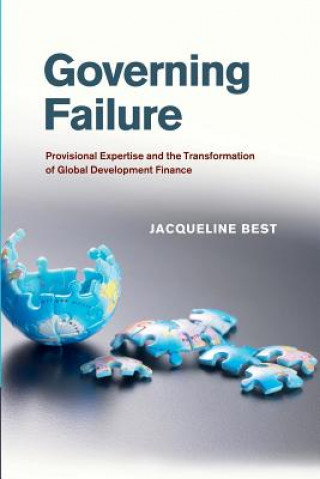
Governing Failure
Provisional Expertise and the Transformation of Global Development Finance
 Angličtina
 111 b
111 b
30 dní na vrácení zboží
Zákazníci také koupili












 /
/
 Brožovaná
 469
Kč
469
Kč






 /
Brožovaná
594
Kč
/
Brožovaná
594
Kč









Jacqueline Best argues that the 1990s changes in IMF, World Bank and donor policies, towards what some have called the 'Post-Washington Consensus,' were driven by an erosion of expert authority and an increasing preoccupation with policy failure. Failures such as the Asian financial crisis and the decades of despair in sub-Saharan Africa led these institutions to develop governance strategies designed to avoid failure: fostering country ownership, developing global standards, managing risk and vulnerability and measuring results. In contrast to the structural adjustment era when policymakers were confident in their solutions, this is an era of provisional governance, in which key actors are aware of the possibility of failure even as they seek to inoculate themselves against it. Best considers the implications of this shift, asking if it is a positive change and whether it is sustainable. This title is available as Open Access on Cambridge Books Online and via Knowledge Unlatched.


Informace o knize
Angličtina

Darujte tuto knihu ještě dnes
Je to snadné
1 Přidejte knihu do košíku a zvolte doručit jako dárek 2 Obratem vám zašleme poukaz 3 Kniha dorazí na adresu obdarovanéhoMohlo by vás také zajímat



 /
Pevná
441
Kč
/
Pevná
441
Kč












 /
Brožovaná
491
Kč
/
Brožovaná
491
Kč
 /
Brožovaná
2 357
Kč
/
Brožovaná
2 357
Kč
 /
Brožovaná
964
Kč
/
Brožovaná
964
Kč




Ahoj! Jsem Libroamiko, tvůj knižní rádce.
Jak ti můžu pomoct?