
 Kontakt
 Jak nakupovat
Doručení
Nákupní rádce
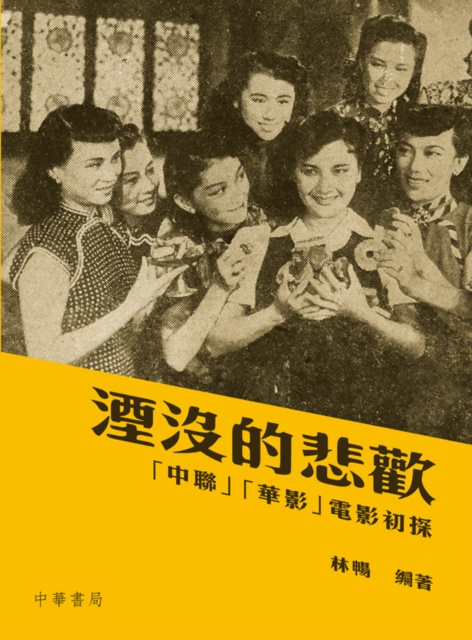
Joys and Sorrows-Zhonglian and Huaying Film Preliminary Survey
 Čínština
 138 b
138 b
Zákazníci také koupili


 /
/
 Adobe ePub DRM
 93
Kč
93
Kč


 /
/
 Brožovaná
812
Kč
Brožovaná
812
Kč














 /
Brožovaná
1 063
Kč
/
Brožovaná
1 063
Kč






During the period from 1942 to 1945, Shanghai's films during the occupation were referred to as "e;rebellious"e; and "e;declining"e; after the war. This period of history is said to be "e;black hole in the history of Chinese film"e;.At that time, under the leadership of Japanese filmmaker Nagamasa Kawakita and Chinese filmmaker Zhang Shankun, the China Joint Productions Company of "e;Sino-Japanese Cooperation"e; integrated the film companies and Chinese filmmakers who stayed in Shanghai and produced about 140 films in three years.These movies are mainly for entertaining the public.In front of the stage, there are Zhou Xuan, Li Lihua, Baiguang, Wang Danfeng, Zhu Shilin, Yue Feng and so on.This book combines Chinese and Japanese materials to explore the content, style and influence of the films of that year.includingWhy did Nagamasa Kawakita issue Mulan Enlisted in the Army, which has obvious anti-Japanese message, to the occupied areas and Japan?Is Zhang Shankun the "e;Infernal Affairs"e; of the government? How does the "e;Chinese Federation"e; preserve the vitality of Chinese movies and let the Japanese army's goal of promoting "e;Sino-Japanese goodwill"e; fail?It also introduces the creation of film by masters such as Zhu Shilin and Yue Feng.


Informace o knize
Čínština

Darujte tuto knihu ještě dnes
Je to snadné
1 Přidejte knihu do košíku a zvolte doručit jako dárek 2 Obratem vám zašleme poukaz 3 Kniha dorazí na adresu obdarovanéhoAhoj! Jsem Libroamiko, tvůj knižní rádce.
Jak ti můžu pomoct?