
 Kontakt
 Jak nakupovat
Doručení
Nákupní rádce
Ãglantine
 Francouzština
 47 b
47 b
30 dní na vrácení zboží

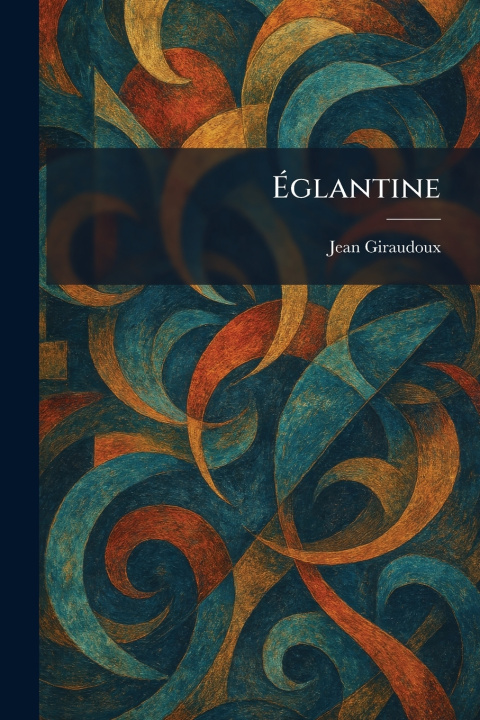
"E?glantine" est une Åuvre de Jean Giraudoux qui explore avec finesse les tensions entre tradition et modernité dans la France de l'entre-deux-guerres. Le roman met en scène la rivalité feutrée entre deux figures contrastées de la haute société : Moïse, le banquier influent, et Fontranges, le gentilhomme campagnard attaché à ses racines. Au cÅur de ce duel d'influence et de prestige se trouve la jeune E?glantine, dont la présence cristallise les désirs et les regrets de ces deux hommes vieillissants.
À travers une prose élégante et empreinte d'un lyrisme caractéristique, Giraudoux livre une méditation profonde sur le passage du temps, la puissance de l'argent et la quête éternelle de la beauté. Le récit transcende la simple intrigue sentimentale pour devenir une fresque sociale et poétique, où l'ironie se mêle à la nostalgie. "E?glantine" demeure un témoignage précieux du génie littéraire de son auteur, illustrant sa capacité unique à transformer des observations sociales en une réflexion universelle sur la condition humaine.
This work has been selected by scholars as being culturally important, and is part of the knowledge base of civilization as we know it. This work was reproduced from the original artifact, and remains as true to the original work as possible. Therefore, you may see the original copyright references, library stamps (as most of these works have been housed in our most important libraries around the world), and other notations in the work.
This work is in the public domain in the United States of America, and possibly other nations. Within the United States, you may freely copy and distribute this work, as no entity (individual or corporate) has a copyright on the body of the work.
As a reproduction of a historical artifact, this work may contain missing or blurred pages, poor pictures, errant marks, etc. Scholars believe, and we concur, that this work is important enough to be preserved, reproduced, and made generally available to the public. We appreciate your support of the preservation process, and thank you for being an important part of keeping this knowledge alive and relevant.


Informace o knize
Francouzština
