
 Kontakt
 Jak nakupovat
Doručení
Nákupní rádce
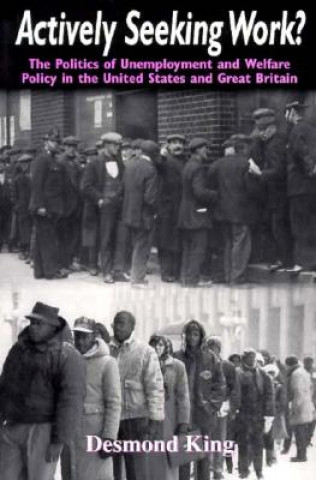
Actively Seeking Work?
Politics of Unemployment and Welfare Policy in the United States and Great Britain
 Angličtina
 109 b
109 b
Až 30 dní na vrácení zboží
Zákazníci také koupili











 /
/
 Brožovaná
 2 045
Kč
2 045
Kč


















Why have both Great Britain and the United States been unable to create effective training and work programmes for the unemployed? The author contends that the answer lies in the liberal political origins of these programmes. Integrating documentary materials with an analysis of the sources of political support for work-welfare programs, King shows that policy-makers in both Great Britain and the United States have tried to achieve conflicting goals through these programmes. The goal of work-welfare policy in both countries has been to provide financial aid, training and placement services for the unemployed. In order to muster support for these programmes, however, work-welfare programmes had to incorporate liberal requirements that they not interfere with private market forces, and that they prevent the "undeserving" from obtaining benefits. The attempt to integrate these incompatible functions is arguably the defining feature of British and American policies as well as the cause of their failure.


Informace o knize
Angličtina
Kategorie

Darujte tuto knihu ještě dnes
Je to snadné
1 Přidejte knihu do košíku a zvolte doručit jako dárek 2 Obratem vám zašleme poukaz 3 Kniha dorazí na adresu obdarovanéhoMohlo by vás také zajímat

 /
Brožovaná
503
Kč
/
Brožovaná
503
Kč
 /
Brožovaná
338
Kč
/
Brožovaná
338
Kč










 /
Brožovaná
1 885
Kč
/
Brožovaná
1 885
Kč


 /
Brožovaná
675
Kč
/
Brožovaná
675
Kč








Ahoj! Jsem Libroamiko, tvůj knižní rádce.
Jak ti můžu pomoct?