
 Kontakt
 Jak nakupovat
Doručení
Nákupní rádce
Aerospace Sensor Systems and Applications
 Angličtina
 353 b
353 b
Až 30 dní na vrácení zboží
Zákazníci také koupili










 /
/
 Brožovaná
 467
Kč
467
Kč
 /
Brožovaná
445
Kč
/
Brožovaná
445
Kč

 /
Brožovaná
311
Kč
/
Brožovaná
311
Kč





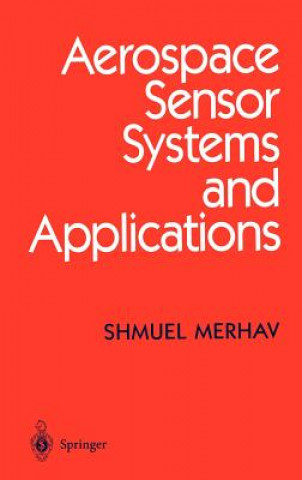
This book is about aerospace sensors and their essential roles in guidance and navigation systems. Performance characteristics, developed from basic physical laws, are consolidated in typical product-data lists, thus bridging between theory and practice; sensor dynamics and random processes are discussed as the basis of statistical error modeling. Examples, problems, and qualitative discussions are used throughout the text to enhance intuitive understanding. The first two chapters introduce generic sensor models, random signal processing, and filtering and estimation; they thus provide a common basis for students from diverse backgrounds. The seven chapters that follow cover three generations of sensor technology spanning fifty years, ranging from classical electromechanical sensors for rotation and force to modern fiber-optic gyros and silicon micromechanical devices. Sensors are presented as constituents of systems in which measurements are blended by Kalman filtering to achieve superior precision and reliability and lower cost. Effects of noise and interference, for example on automatic tracking, homing and inertial navigation, are analyzed and discussed in detail.


Informace o knize
Angličtina
Kategorie

Darujte tuto knihu ještě dnes
Je to snadné
1 Přidejte knihu do košíku a zvolte doručit jako dárek 2 Obratem vám zašleme poukaz 3 Kniha dorazí na adresu obdarovanéhoMohlo by vás také zajímat






















 /
Pevná
14 186
Kč
/
Pevná
14 186
Kč