
 Kontakt
 Jak nakupovat
Doručení
Nákupní rádce
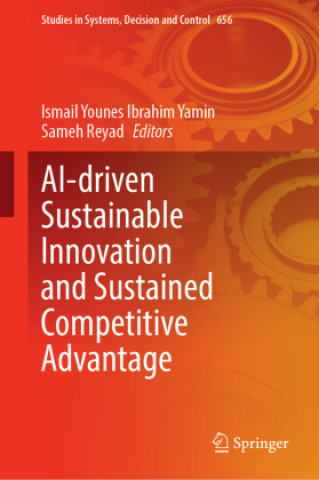
AI-driven Sustainable Innovation and Sustained Competitive Advantage
 Angličtina
 497 b
497 b
Až 30 dní na vrácení zboží
Zákazníci také koupili












 /
/
 Brožovaná
 732
Kč
732
Kč



 /
Brožovaná
315
Kč
/
Brožovaná
315
Kč


Organizations are increasingly using AI to gain a competitive edge, enhance operational efficiency, and drive innovation. Scholars believe that artificial intelligence (AI) is changing the root of competitive advantage. While some argue that AI substitutes humans' cognitive capabilities when, for example, technology replaces bankers in the financial sector, or directors in talent recruitment, or take over from physicians in medical field (Noonan, 2017; Chamorro-Premuzic et al, 2019; Blakely, 2020; Balasubramanian et al.2021). Others argue that AI is a foil rather than a substitute to humans' cognitive capabilities (Krakowski et al. 2020). Moreover, the dynamic nature of globalization, along with growing environmental, economic and social concerns, has emphasized the need for businesses to implement sustainable practices. This shift has not only become a moral responsibility but also a strategic necessity. The key to this transformation is the concept of sustainable innovation, which involves developing new solutions that address sustainable development challenges while also enhancing business performance against competitors.A book dedicated to the links between these concepts is timely and essential for several reasons. This book contributes towards theoretical advancement, i.e., although there is a growing body of scholarly research on sustainability, strategy and innovation, a comprehensive understanding of their relationship in achieving sustained competitive advantage remains a lesser explored area. This book hence provides an opportunity to advance theoretical frameworks. Moreover, this book offers insightful practical implications as it plans to showcase empirical studies, guidelines and case analyses which can provide valuable knowledge for policymakers, managers, business owners, IT professionals and practitioners seeking to use artificial intelligence and other sustainable innovation as a strategic tool for long-term success. It aims to offer actionable plans for organizations seeking to use AI for long-term and sustainable competitive success. This book also provides an opportunity for interdisciplinary and multidisciplinary collaboration arising from the complex nature of sustainable innovation and sustained competitive advantage. This book can therefore enable the collaboration among researchers from different fields, such as IT, artificial intelligence, sustainable management, engineering, and economics. By achieving these aims, the book will contribute to a deeper understanding of the intricate relation between artificial intelligence, technological innovation, and competitive advantage, providing valuable knowledge for both academics, policymakers and practitioners.The book is intended for a diverse audience, including academics and researchers in the fields of ICT, engineering, computer science, sustainability, business, management and economics. The target readers include business leaders seeking to use AI for sustainable competitive advantage, policymakers and government officials, postgraduate students and professionals in related fields. This book aims to provide a valuable resource for comprehending and using AI-driven strategies and innovations for a more sustainable future.


Informace o knize
Angličtina
Kategorie

Darujte tuto knihu ještě dnes
Je to snadné
1 Přidejte knihu do košíku a zvolte doručit jako dárek 2 Obratem vám zašleme poukaz 3 Kniha dorazí na adresu obdarovanéhoMohlo by vás také zajímat



 /
Brožovaná
835
Kč
/
Brožovaná
835
Kč
 /
Brožovaná
2 076
Kč
/
Brožovaná
2 076
Kč
 /
Brožovaná
445
Kč
/
Brožovaná
445
Kč








Ahoj! Jsem Libroamiko, tvůj knižní rádce.
Jak ti můžu pomoct?