
 Kontakt
 Jak nakupovat
Doručení
Nákupní rádce
 Angličtina
 236 b
236 b
Až 30 dní na vrácení zboží
Zákazníci také koupili












 /
/
 Brožovaná
 153
Kč
153
Kč





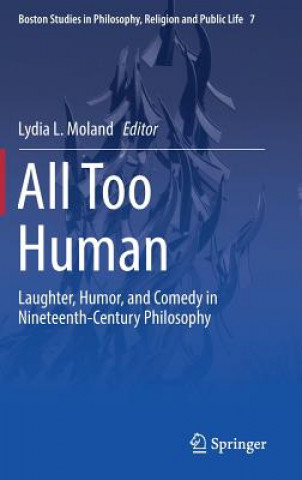
This book offers an analysis of humor, comedy, and laughter as philosophical topics in the 19th Century. It traces the introduction of humor as a new aesthetic category inspired by Laurence Sterne's "Tristram Shandy" and shows Sterne's deep influence on German aesthetic theorists of this period. Through differentiating humor from comedy, the book suggests important distinctions within the aesthetic philosophies of G.W.F. Hegel, Karl Solger, and Jean Paul Richter. The book links Kant's underdeveloped incongruity theory of laughter to Schopenhauer's more complete account and identifies humor's place in the pessimistic philosophy of Julius Bahnsen. It considers how caricature functioned at the intersection of politics, aesthetics, and ethics in Karl Rosenkranz's work, and how Kierkegaard and Nietzsche made humor central not only to their philosophical content but also to its style. The book concludes with an explication of French philosopher Henri Bergson's claim that laughter is a response to mechanical inelasticity.


Informace o knize
Angličtina

Darujte tuto knihu ještě dnes
Je to snadné
1 Přidejte knihu do košíku a zvolte doručit jako dárek 2 Obratem vám zašleme poukaz 3 Kniha dorazí na adresu obdarovanéhoMohlo by vás také zajímat




 /
Pevná
794
Kč
/
Pevná
794
Kč

 /
Brožovaná
423
Kč
/
Brožovaná
423
Kč












Ahoj! Jsem Libroamiko, tvůj knižní rádce.
Jak ti můžu pomoct?