
 Kontakt
 Jak nakupovat

Doručení
Nákupní rádce
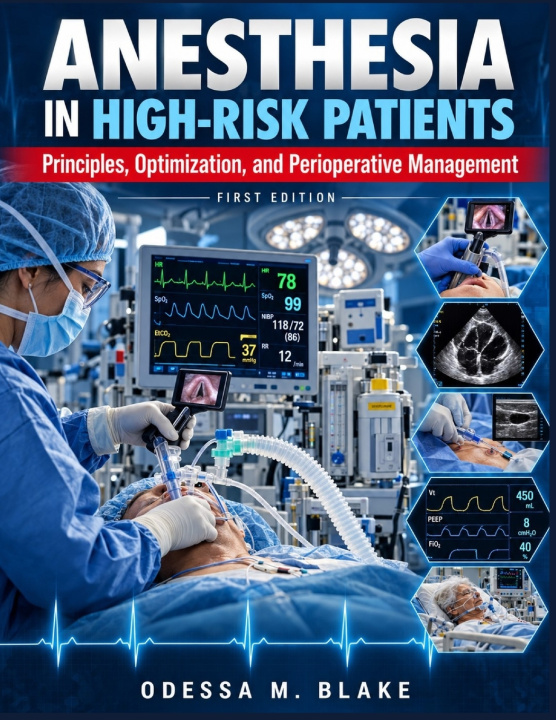
ANESTHESIA IN HIGH-RISK PATIENTS
Principles, Optimization, and Perioperative Management
 Angličtina
 428 b
 Nové
Až 30 dní na vrácení zboží

The anesthetic management of high-risk patients requires careful assessment, individualized planning, sound clinical judgment, and the ability to respond to rapidly changing physiological conditions. Patients with cardiovascular disease, respiratory impairment, renal or hepatic dysfunction, metabolic disorders, frailty, or multiple comorbidities present unique challenges before, during, and after surgery.
Anesthesia in High-Risk Patients: Principles, Optimization, and Perioperative Management provides an integrated reference to the principles and clinical considerations involved in managing medically complex patients throughout the perioperative period.
Organized into 21 comprehensive chapters, this book connects perioperative risk assessment with patient optimization, anesthetic planning, intraoperative management, crisis preparedness, and postoperative care.
Inside this comprehensive reference, you will explore:
Perioperative risk assessment: ASA Physical Status Classification, validated risk prediction models, biomarkers, functional capacity, and shared decision-making.
Preoperative evaluation and optimization: Multidisciplinary assessment, medication management, laboratory investigations, prehabilitation, and individualized anesthetic planning.
Cardiovascular disease: Anesthetic considerations for ischemic heart disease, heart failure, valvular disorders, arrhythmias, coronary stents, and implanted cardiac devices.
Pulmonary disease and airway management: COPD, restrictive lung disease, obstructive sleep apnea, difficult airways, ventilation strategies, and postoperative respiratory monitoring.
Renal and hepatic dysfunction: Drug selection in organ impairment, fluid and electrolyte management, perioperative renal protection, cirrhosis, and liver transplantation.
Endocrine and metabolic disorders: Diabetes management, thyroid disease, adrenal insufficiency, pheochromocytoma, obesity, and metabolic syndrome.
Special patient populations: Older adults, frail patients, pregnant patients, and individuals with neurological or neuromuscular disorders.
Coagulation and antithrombotic therapy: Bleeding and thrombotic risk assessment, anticoagulant management, antiplatelet therapy, blood products, and neuraxial anesthesia considerations.
Trauma, sepsis, and emergency surgery: Hemodynamic instability, damage-control resuscitation, septic shock, rapid sequence induction, and time-sensitive perioperative decision-making.
Perioperative crisis management: Cardiac arrest, anaphylaxis, local anesthetic systemic toxicity, malignant hyperthermia, massive hemorrhage, and crisis resource management.
Postoperative care and outcomes: Monitoring requirements, intensive care triage, acute pain management, complication recognition, functional recovery, and quality improvement.
Practical reference materials for clinical learning


Informace o knize
Angličtina

Darujte tuto knihu ještě dnes
Je to snadné
1 Přidejte knihu do košíku a zvolte doručit jako dárek 2 Obratem vám zašleme poukaz 3 Kniha dorazí na adresu obdarovanéhoAhoj! Jsem Libroamiko, tvůj knižní rádce.
Jak ti můžu pomoct?