
 Kontakt
 Jak nakupovat
Doručení
Nákupní rádce
 Angličtina
 51 b
51 b
Až 30 dní na vrácení zboží

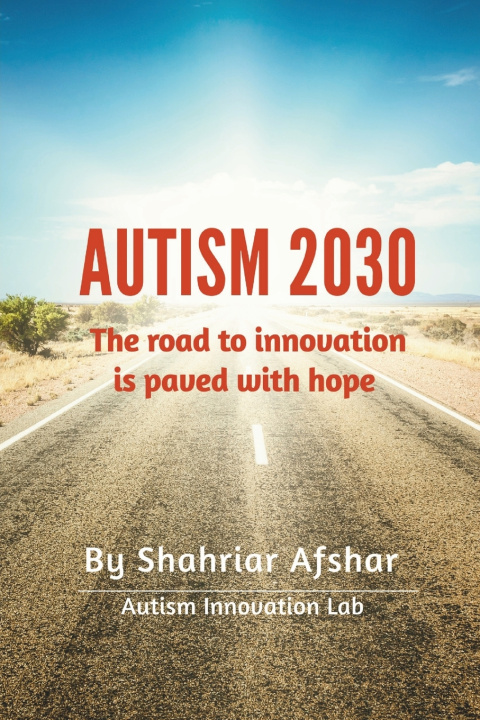
Autism 2030 outlines a visionary plan for future autism leadership, emphasizing the need for families, entrepreneurs, and decision-makers to actively create solutions rather than waiting for systemic changes. After consulting numerous families, Shahriar Afshar presents a framework with ten priorities aimed at developing housing, businesses, and innovation ecosystems for autistic individuals and their families. This initiative seeks to mobilize resources and foster collaboration, offering hope and a roadmap for building sustainable infrastructure for the next generation.
Autism 2030 outlines Ten Proposed Priorities for the Autism Community, offering a framework to guide collaborative action and measurable progress:
1. Expand Inclusive Housing Options
Support the development of diverse housing models, including private-pay and community-integrated options, that offer safety, independence, and lifelong stability for autistic individuals with a wide range of support needs.
2. Modernize Adult Medical, Dental, and Behavioral Healthcare
Develop autism-friendly clinical environments, provider training, and integrated care pathways to address major gaps in adult healthcare access, quality, and coordination.
3. Strengthen Family and Caregiver Support Systems
Build sustainable lifelines for families facing high-support needs, focusing on respite, navigation assistance, crisis management, mental health, and long-term planning.
4. Advance Employment and Workforce Pathways
Create meaningful, supported employment models; expand employer partnerships; and design lifelong workforce opportunities that match individual strengths and interests.
5. Increase Flexibility and Individualization in Education
Provide diverse educational pathways that adapt to sensory, cognitive, behavioral, and learning differences, including hybrid, community-based, and nontraditional approaches.
6. Improve Safety, Emergency Response, and Elopement Prevention
Deploy stress-sensing devices, GPS tools, community safety protocols, and integrated emergency systems to prevent elopement and reduce risks for vulnerable individuals.
7. Accelerate Research, Innovation, and Real-World Pilots
Invest in translational research and pilot studies that test new technologies, care models, educational tools, and supports, with emphasis on scalable solutions that address profound autism.
8. Expand Social, Recreational, and Community Participation Opportunities
Support programs that improve quality of life, belonging, relationships, and daily engagement for autistic individuals and their families.
9. Develop Autism-Friendly Business Ecosystems
Encourage businesses to adopt autism-inclusive practices, certifications, sensory-aware standards, and workforce accommodations that improve community accessibility and participation.
10. Build Coordinated Public-Private Infrastructure
Strengthen collaboration across government agencies, nonprofits, researchers, innovators, and families to integrate housing, healthcare, education, technology, and support services into a more cohesive national system.
Together, these proposed priorities offer a practical pathway to strengthen supports, elevate innovative pilots, and improve long-term outcomes for autistic individuals and their families. This presentation will outline the Autism 2030 framework, highlight emerging examples across housing, healthcare, technology, and community development, and explore opportunities for collective action in the years ahead.


Informace o knize
Angličtina

Darujte tuto knihu ještě dnes
Je to snadné
1 Přidejte knihu do košíku a zvolte doručit jako dárek 2 Obratem vám zašleme poukaz 3 Kniha dorazí na adresu obdarovanéhoAhoj! Jsem Libroamiko, tvůj knižní rádce.
Jak ti můžu pomoct?