
 Kontakt
 Jak nakupovat
Doručení
Nákupní rádce
Autonomous Supply Chains
 Angličtina
 61 b
61 b
 Nové
Nové
Až 30 dní na vrácení zboží

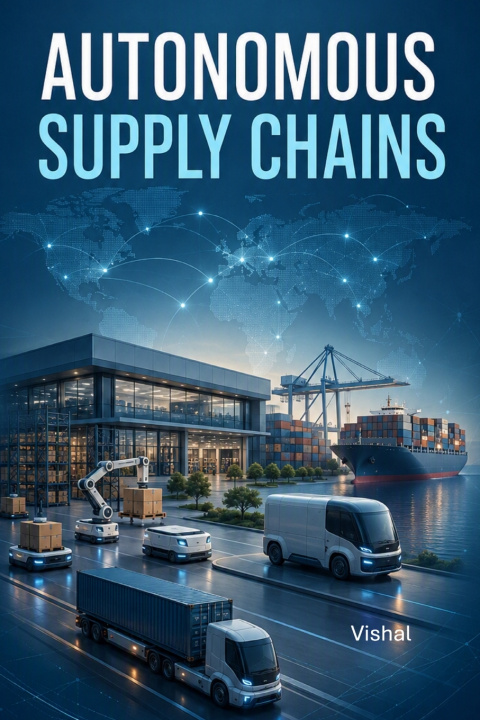
In the rapidly evolving landscape of global commerce, the concept of autonomous supply chains has emerged as a pivotal area of study and practice. This book, "Autonomous Supply Chains," aims to provide a comprehensive exploration of this transformative paradigm, which integrates advanced technologies such as artificial intelligence, machine learning, and the Internet of Things into supply chain management. The relevance of autonomous supply chains extends beyond mere technological innovation; they represent a fundamental shift in how organizations operate, driving efficiencies, reducing costs, and enhancing customer satisfaction in an increasingly competitive market. As businesses strive to adapt to the complexities of modern logistics, understanding these systems is not only beneficial but essential for future leaders in the field.
From an economic perspective, autonomous supply chains promise significant value creation by optimizing resource allocation and minimizing waste. This book delves into the economic implications of automation and autonomy, providing insights into how companies can leverage these technologies to enhance profitability and sustainability. Readers will encounter real-world case studies that illustrate successful implementations, as well as quantitative analyses that demonstrate the potential financial benefits of transitioning to autonomous systems. By examining these examples, readers will gain a clearer understanding of the economic drivers behind autonomous supply chains and how they can be strategically harnessed to achieve competitive advantage.
Technologically, the advent of autonomous supply chains is underpinned by a convergence of advancements in robotics, data analytics, and connectivity. This text will introduce readers to the foundational technologies that enable autonomous operations, exploring their functionalities and interdependencies. Through practical examples, tables, and plots, we will elucidate key concepts such as predictive analytics for demand forecasting, autonomous vehicles for logistics, and blockchain for transparency and traceability. These elements will not only enhance theoretical knowledge but also provide a practical toolkit for readers to apply in their own organizations.
Educationally, this book is designed to bridge the gap between theory and practice, equipping readers with the skills necessary to navigate the complexities of autonomous supply chains. Each chapter will feature projects that challenge readers to apply their knowledge in real-world scenarios, fostering critical thinking and problem-solving capabilities. By the conclusion of this text, readers will have a robust understanding of the principles, technologies, and strategic considerations that define autonomous supply chains, positioning them to contribute to their organizations' success in an increasingly automated future.


Informace o knize
Angličtina

Darujte tuto knihu ještě dnes
Je to snadné
1 Přidejte knihu do košíku a zvolte doručit jako dárek 2 Obratem vám zašleme poukaz 3 Kniha dorazí na adresu obdarovanéhoAhoj! Jsem Libroamiko, tvůj knižní rádce.
Jak ti můžu pomoct?