
 Kontakt
 Jak nakupovat
Doručení
Nákupní rádce
 Angličtina
 75 b
75 b
 Nové
Nové
Až 30 dní na vrácení zboží

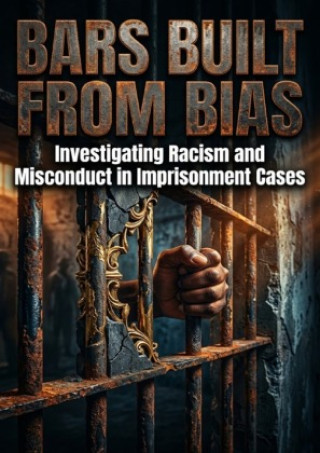
The prison cell has never been a neutral space. From the convict leasing systems that followed the abolition of slavery - where Black men were arrested on fabricated charges and leased to plantations and mines as forced labor - to the mass incarceration policies of the late twentieth century, the architecture of American imprisonment has been shaped, again and again, by the same foundational fault line: race. What changes across the decades is not the pattern, but the language used to justify it. Vagrancy laws gave way to mandatory minimums. Chain gangs gave way to private prisons. The machinery was modernized; the targeting was not.Misconduct within this system has rarely been exceptional - it has been structural. Police officers who fabricated evidence knew, with reasonable confidence, that their testimony would be believed over that of a Black defendant. Prosecutors who withheld exculpatory material operated within institutional cultures that measured success by conviction rates, not by accuracy. Defense attorneys assigned to indigent clients carried caseloads that made genuine representation mathematically impossible. At every stage of the criminal justice pipeline, discretion - in arrests, in charging, in sentencing - has been exercised in ways that correlate unmistakably with race, class, and the political pressures of the moment.


Informace o knize
Angličtina

Darujte tuto knihu ještě dnes
Je to snadné
1 Přidejte knihu do košíku a zvolte doručit jako dárek 2 Obratem vám zašleme poukaz 3 Kniha dorazí na adresu obdarovanéhoAhoj! Jsem Libroamiko, tvůj knižní rádce.
Jak ti můžu pomoct?