
 Kontakt
 Jak nakupovat
Doručení
Nákupní rádce
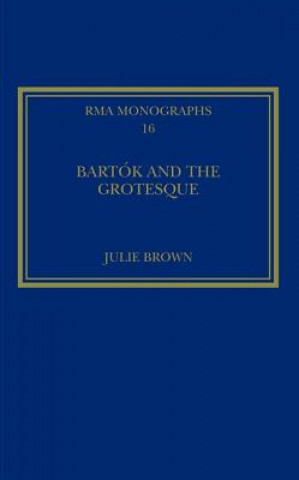
Bartok and the Grotesque
 Angličtina
 497 b
497 b
Až 30 dní na vrácení zboží
Zákazníci také koupili





 /
/
 Brožovaná
 523
Kč
523
Kč

The grotesque is one of art's most puzzling figures - transgressive, comprising an unresolvable hybrid, generally focussing on the human body, full of hyperbole, and ultimately semantically deeply puzzling. In "Bluebeard's Castle" (1911), "The Wooden Prince" (1916/17), "The Miraculous Mandarin" (1919/24, rev. 1931) and "Cantata Profana" (1930), Bartok engaged scenarios featuring either overtly grotesque bodies or closely related transformations and violations of the body. In a number of instrumental works he also overtly engaged grotesque satirical strategies, sometimes - as in "Two Portraits: 'Ideal' and 'Grotesque'" - indicating this in the title.In this book, Julie Brown argues that Bartok's concerns with stylistic hybridity (high-low, East-West, tonalatonal-modal), the body, and the grotesque are inter-connected. While Bartok developed each interest in highly individual ways, and did so separately to a considerable extent, the three concerns remained conceptually interlinked. All three were throughly implicated in cultural constructions of the Modern during the period in which Bartok was composing.


Informace o knize
Angličtina

Darujte tuto knihu ještě dnes
Je to snadné
1 Přidejte knihu do košíku a zvolte doručit jako dárek 2 Obratem vám zašleme poukaz 3 Kniha dorazí na adresu obdarovanéhoMohlo by vás také zajímat








 /
Brožovaná
261
Kč
/
Brožovaná
261
Kč
Ahoj! Jsem Libroamiko, tvůj knižní rádce.
Jak ti můžu pomoct?