
 Kontakt
 Jak nakupovat
Doručení
Nákupní rádce
 Angličtina
 73 b
73 b
30 dní na vrácení zboží

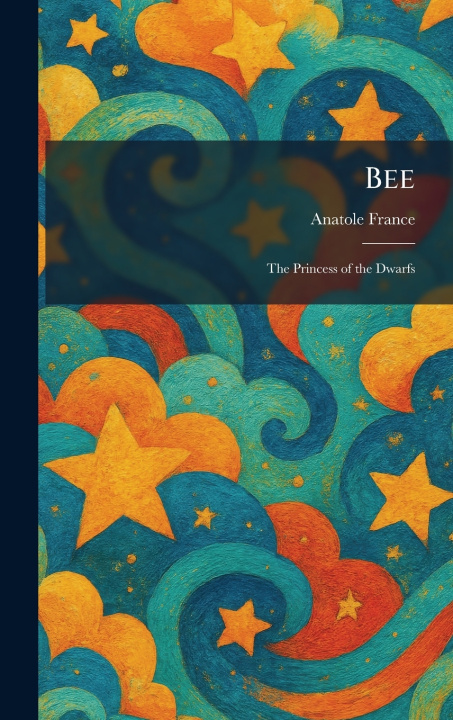
"Bee: The Princess of the Dwarfs" is a whimsical and lyrical fairy tale written by the Nobel Prize-winning author Anatole France. The story follows the adventures of the young Princess Bee and her loyal companion, George of White-Moor. Driven by a spirit of curiosity, the two children wander away from their familiar world and find themselves in a realm of enchantment and wonder. Bee is taken to the hidden kingdom of the dwarfs beneath the mountains, while George is whisked away to the underwater realm of the undines.
Unlike many traditional tales of its time, this work emphasizes kindness, nobility of spirit, and the quiet dignity found in the supernatural world. France crafts a narrative that is both sophisticated in its prose and accessible in its themes, exploring the bonds of friendship and the virtues of loyalty. Through the gentle guidance of King Loc and the dwarfs, the story provides a unique perspective on the genre, blending philosophical depth with a charming, imaginative landscape. "Bee: The Princess of the Dwarfs" remains a celebrated work of classic literature, valued for its poetic quality and its timeless exploration of the magical unknown.
This work has been selected by scholars as being culturally important, and is part of the knowledge base of civilization as we know it. This work was reproduced from the original artifact, and remains as true to the original work as possible. Therefore, you may see the original copyright references, library stamps (as most of these works have been housed in our most important libraries around the world), and other notations in the work.
This work is in the public domain in the United States of America, and possibly other nations. Within the United States, you may freely copy and distribute this work, as no entity (individual or corporate) has a copyright on the body of the work.
As a reproduction of a historical artifact, this work may contain missing or blurred pages, poor pictures, errant marks, etc. Scholars believe, and we concur, that this work is important enough to be preserved, reproduced, and made generally available to the public. We appreciate your support of the preservation process, and thank you for being an important part of keeping this knowledge alive and relevant.


Informace o knize
Angličtina
