
 Kontakt
 Jak nakupovat
Doručení
Nákupní rádce
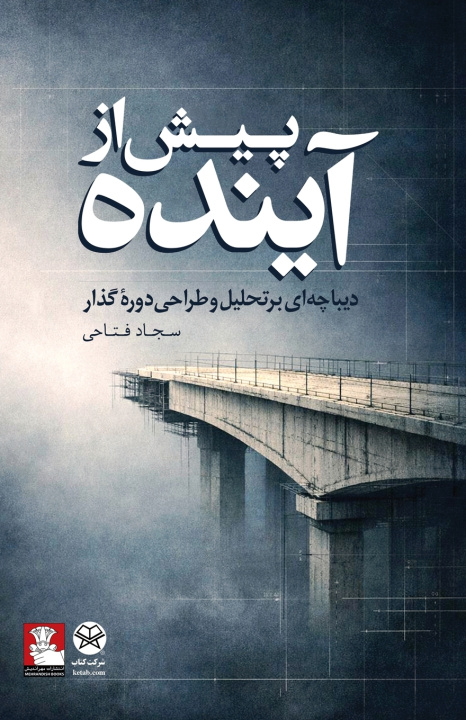
Before the Future
 Perština
 58 b
58 b
 Nové
Nové
30 dní na vrácení zboží

دربارۀ کتاب
این کتاب به دورۀ گذار میپردازد؛ نه بهعنوان لحظهای کوتاه میان دو نظم سیاسی، بلکه بهمثابه یکی از حساسترین و پرریسکترین دورههایی که سرنوشت کشورها در آن شکل میگیرد. گذار' در این کتاب وضعیتی برزخی، ناپایدار و تصمیممحور فهم میشود؛ دورهای که در آن، نحوۀ مدیریت بحران، طراحی نهادها و کیفیت تصمیمگیری میتواند مسیر آیندۀ کشورها را برای دههها تعیین کند. کتاب میکوشد نشان دهد که گذار نه الزاماً به فروپاشی میانجامد و نه خودبهخود به دموکراسی ختم میشود، بلکه نیازمند اندیشیدن، طراحی و مسئولیت نهادی است.
نویسنده با اتکا به ادبیات نظریِ گذار و بررسی تجربههای تاریخی موفق و شکستخورده در جهان، چارچوبی تحلیلی برای فهم منطق گذار ارائه میدهد و سپس این چارچوب را به اهداف مشخص دورۀ گذار و طراحی نظام حکمرانی متناسب با آن پیوند میزند.
این کتاب تلاشی است برای پر کردن شکاف میان پژوهش دانشگاهی و دغدغههای عملی حکمرانی در شرایط بحرانی. پیشاز آینده کتابی است دربارۀ دورهای که آینده در آن ساخته میشود؛ پیشاز آنکه تصمیمهای شتابزده یا فقدان طراحی، فرصت انتخاب را برای همیشه از میان ببرد.
About the Book
This book examines the "transitional period"-not as a brief moment between two political orders, but as one of the most sensitive and high-risk phases in which the fate of nations is shaped. In this work, "transition" is understood as a liminal, unstable, and decision-driven condition: a period in which crisis management, institutional design, and the quality of decision-making can determine a country's trajectory for decades to come. The book seeks to demonstrate that transition does not inevitably lead to collapse, nor does it automatically culminate in democracy; rather, it requires deliberate thought, careful design, and institutional responsibility.
Drawing on the theoretical literature of transition and examining both successful and failed historical experiences around the world, the author presents an analytical framework for understanding the logic of transition. This framework is then connected to the specific objectives of the transitional period and to the design of a system of governance suited to its demands.
This book is an effort to bridge the gap between academic research and the practical challenges of governance in times of crisis. Before the Future is a book about the period in which the future is made-before hasty decisions or the absence of design permanently eliminate the possibility of choice.


Informace o knize
Perština
Kategorie
