
 Kontakt
 Jak nakupovat
Doručení
Nákupní rádce
 Angličtina
 226 b
226 b
Až 30 dní na vrácení zboží
Zákazníci také koupili











 /
/
 Brožovaná
 1 338
Kč
1 338
Kč



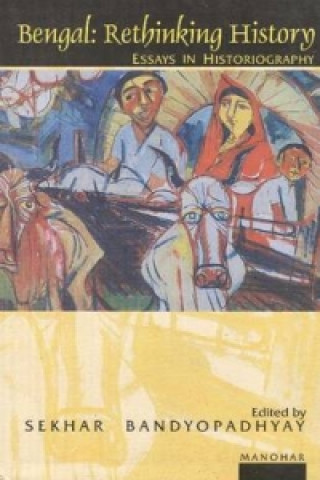
Over the last twenty-five years significant epistemological shifts and methodological innovations have enriched the historiography of colonial Bengal. The essays in Bengal: Rethinking History critically examine some of?those?trends?and?indicate?possibilities?of?future?research.
In the first section of this book, Lakshmi Subramanian discusses the debates concerning the early fortunes of the English East India Company, Sanjukta Das Gupta deals with the complex literature on peasant and tribal movements, Arjan de Haan looks at the debates with regard to the industrial working classes and Brian Hatcher traces the changing trends in the interpretation of Bengal Renaissance. The essay by Bob Pokrant, Peter Reeves and John McGuire on the historical significance of fish, fisheries and the social life of Bengal fishermen is an example of the new areas of research?that?are?being?opened?up?in?recent?years.
In the second section on social identities and politics, Asim Roy provides a comprehensive study of the enormous volume of literature on the Bengali Muslims' quest for identity, Sekhar Bandyopadhyay discusses the literature on caste system and construction of identities among lower caste Hindus and Samita Sen takes a critical glance at recent researches on the history of women. Nationalism has been one of the most explored areas of Bengal history. In this volume Sugata Bose critically examines the existing views on Bengal nationalism, while Joya Chatterji investigates the problems of interpreting?the?troubled?politics?of?the?1940s.
This book does not propagate any particular view of history, as the essays represent a melange of opinions, sometimes at variance with each other. It looks critically at the existing historical discourses with a view to stoke?new?debates.


Informace o knize
Angličtina
Kategorie

Darujte tuto knihu ještě dnes
Je to snadné
1 Přidejte knihu do košíku a zvolte doručit jako dárek 2 Obratem vám zašleme poukaz 3 Kniha dorazí na adresu obdarovanéhoMohlo by vás také zajímat

 /
Brožovaná
522
Kč
/
Brožovaná
522
Kč









 /
Brožovaná
521
Kč
/
Brožovaná
521
Kč

 /
Pevná
2 058
Kč
/
Pevná
2 058
Kč



 /
/
 Adobe ePub DRM
5 864
Kč
Adobe ePub DRM
5 864
Kč







Ahoj! Jsem Libroamiko, tvůj knižní rádce.
Jak ti můžu pomoct?