
 Kontakt
 Jak nakupovat
Doručení
Nákupní rádce
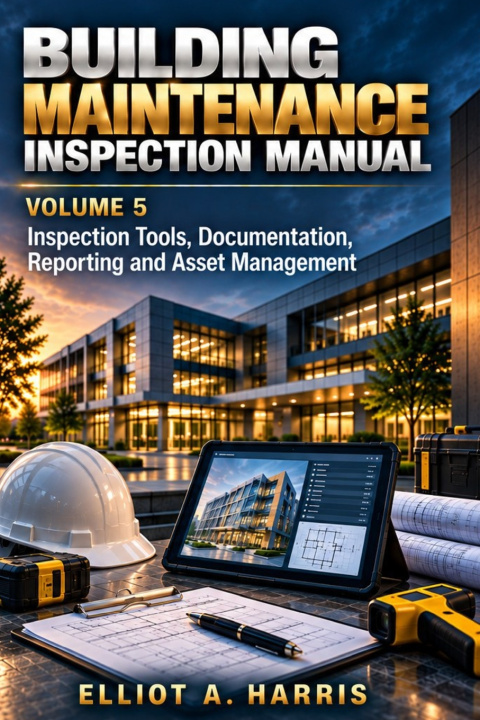
Building Maintenance Inspection Manual
Inspection Tools, Documentation, Reporting and Asset Management
 Angličtina
 86 b
86 b
 Nové
Nové
Až 30 dní na vrácení zboží

Move beyond inspection findings. Turn field observations into clear, traceable, and actionable building information.
A professional inspection requires more than identifying defects. It must be properly planned, documented, reported, and translated into information that supports maintenance and asset-management decisions.
Building Maintenance Inspection Manual, Volume 5 provides a practical professional toolkit for inspection planning, inspection tools, field documentation, condition recording, reporting, follow-up, and asset management.
The central question is:
How should an inspection be planned, documented, reported, and translated into information that supports appropriate action?
FROM INSPECTION PLANNING TO ACTIONABLE ASSET INFORMATION
This volume provides practical guidance on:
• Inspection planning: Define scope, methodology, responsibilities, access, safety, and evidence requirements
• Inspection tools and preparation: Coordinate equipment, personnel, documentation, and field readiness
• Building inspection checklists: Support systematic examination of building elements and services
• Defect and condition recording: Document findings, ratings, severity, evidence, and follow-up
• Photographic and measurement records: Preserve traceable inspection evidence
• Inspection registers: Organise assets, inspections, defects, condition histories, and follow-up
• Professional reporting: Structure inspection reports, defect reports, summaries, and actions
• Asset management integration: Transfer inspection information into maintenance, monitoring, risk, and asset-management processes
A COMPLETED INSPECTION SHOULD LEAVE MORE THAN A REPORT
A checklist does not replace observation. A photograph does not explain itself. A condition rating does not replace supporting evidence.
This book treats inspection documentation as a connected professional information process rather than a collection of isolated forms.
The objective is reliable evidence, consistent documentation, traceable reporting, effective follow-up, and information that remains useful beyond the inspection itself.
WHO THIS BOOK IS FOR
• Building surveyors and property inspectors
• Facility, maintenance, asset, and property managers
• Engineers and construction professionals
• Maintenance consultants and contractors
• Building owners and institutional asset managers
• Professionals and students in building inspection, maintenance, facilities management, and asset management
Part of the Building Maintenance and Facilities Management Professional Series by Elliot A. Harris.
The value of an inspection lies not only in what is observed, but in whether the evidence can be understood, communicated, acted upon, and carried forward into the management of the building.


Informace o knize
Angličtina

Darujte tuto knihu ještě dnes
Je to snadné
1 Přidejte knihu do košíku a zvolte doručit jako dárek 2 Obratem vám zašleme poukaz 3 Kniha dorazí na adresu obdarovanéhoAhoj! Jsem Libroamiko, tvůj knižní rádce.
Jak ti můžu pomoct?