
 Kontakt
 Jak nakupovat
Doručení
Nákupní rádce
 Angličtina
 265 b
265 b
Až 30 dní na vrácení zboží
Zákazníci také koupili
























 /
/
 Brožovaná
 511
Kč
511
Kč







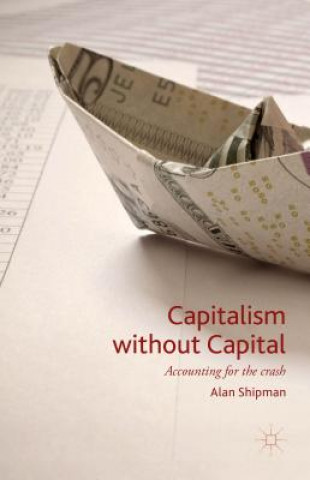
An unusual consensus has developed among economists that the 'long boom' before 2008, and the subsequent crisis and recession, resulted from a global excess of capital. Over-supply of saving drive down capital costs, encouraging excessively risky investment and preventing the scrapping of outmoded plant. Capital's inexorable growth is also blamed for a prolonged squeeze on wages, rising elite wealth and worsening global inequality. This book explores the obvious clash between such arguments and actual measurements of capital, which show a small and shrinking 'productive' component, and a deepening disconnection between capital accumulation and economic growth. It traces the conflict to the continued absence of consistent definitions or measurements of capital, and neglect of the complex connection between aggregate capital and wealth. Capital 'gains' and 'losses', and the growing domination of income statements by balance sheets, undermine attempts to sidestep the problem by reconstituting economics as a system of flows.


Informace o knize
Angličtina

Darujte tuto knihu ještě dnes
Je to snadné
1 Přidejte knihu do košíku a zvolte doručit jako dárek 2 Obratem vám zašleme poukaz 3 Kniha dorazí na adresu obdarovanéhoMohlo by vás také zajímat












 /
Pevná
794
Kč
/
Pevná
794
Kč

 /
Brožovaná
154
Kč
/
Brožovaná
154
Kč
 /
Brožovaná
1 724
Kč
/
Brožovaná
1 724
Kč




 /
Brožovaná
651
Kč
/
Brožovaná
651
Kč


Ahoj! Jsem Libroamiko, tvůj knižní rádce.
Jak ti můžu pomoct?