
 Kontakt
 Jak nakupovat

Doručení
Nákupní rádce
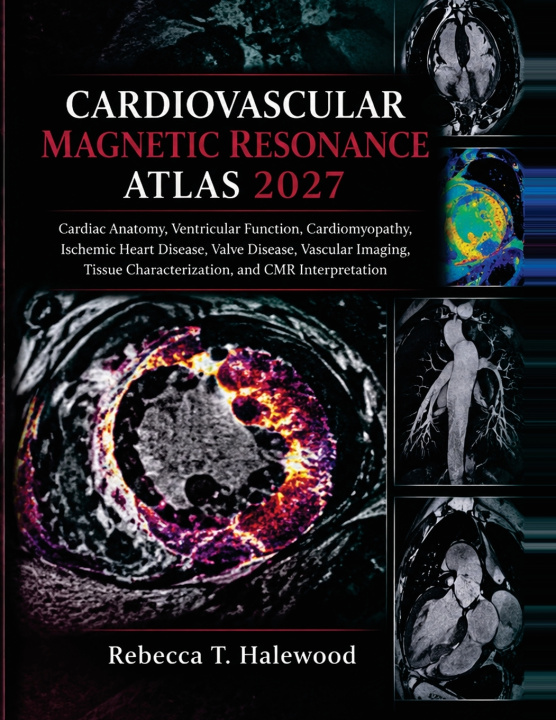
Cardiovascular Magnetic Resonance Atlas 2027
Cardiac Anatomy, Ventricular Function, Cardiomyopathy, Ischemic Heart Disease, Valve Disease, Vascular Imaging, Tissue Characterization, and CMR Interpretation
 Angličtina
 408 b
 Připravujeme
 Nové
Až 30 dní na vrácení zboží

A cardiac MRI image can reveal far more than the shape of the heart. The challenge is knowing what to recognize, what to measure, and what the findings mean.
A region of abnormal myocardial enhancement may raise questions about tissue injury. Altered ventricular motion may signal dysfunction that requires further characterization. An unusual cardiac contour, abnormal blood-flow pattern, or unexpected signal intensity may change the interpretation of an entire examination.
These are the distinctions that make cardiovascular magnetic resonance both powerful and demanding.
Cardiovascular Magnetic Resonance Atlas 2027 explores the anatomical, functional, and diagnostic foundations of cardiac MRI interpretation. Bringing together important cardiovascular conditions and imaging principles, this atlas focuses on understanding the relationship between cardiac structures, disease patterns, imaging findings, and their clinical significance.
Explore the major dimensions of cardiovascular MR interpretation:
Cardiac Anatomy: Identify important cardiac structures, chambers, myocardial relationships, and anatomical landmarks relevant to imaging.
Ventricular Function: Understand the evaluation of ventricular volumes, wall motion, myocardial performance, and functional abnormalities.
Cardiomyopathies: Examine structural and functional changes associated with major myocardial disease patterns.
Ischemic Heart Disease: Explore the imaging assessment of myocardial injury, ischemia, and patterns relevant to tissue viability.
Valvular Heart Disease: Understand anatomical changes, functional consequences, and the role of CMR in evaluating valve-related abnormalities.
Vascular Imaging: Study cardiovascular anatomy beyond the cardiac chambers, including relevant vascular structures and imaging considerations.
Myocardial Tissue Characterization: Explore the significance of tissue signal patterns, enhancement findings, and the imaging principles used to characterize myocardial abnormalities.
CMR Interpretation: Connect anatomical observations, functional measurements, and tissue findings to a coherent understanding of cardiovascular disease.
The purpose of an atlas is not simply to display what can be seen. It is to develop the understanding needed to recognize why a finding matters.
A change in myocardial signal may represent a different pathological process depending on its location and distribution. Ventricular enlargement requires interpretation alongside function and morphology. Tissue characterization adds another dimension to the evaluation of myocardial disease.
Understanding how these findings relate is central to the study of cardiovascular magnetic resonance.
This atlas is intended for radiology residents, cardiology fellows, physicians involved in cardiovascular imaging, medical trainees, and healthcare professionals seeking a focused educational reference for cardiac MRI.
Develop a more informed approach to cardiovascular MRI by studying the relationships between image appearance, cardiac function, tissue characteristics, and disease patterns in Cardiovascular Magnetic Resonance Atlas 2027.


Informace o knize
Angličtina
Kategorie

Darujte tuto knihu ještě dnes
Je to snadné
1 Přidejte knihu do košíku a zvolte doručit jako dárek 2 Obratem vám zašleme poukaz 3 Kniha dorazí na adresu obdarovanéhoAhoj! Jsem Libroamiko, tvůj knižní rádce.
Jak ti můžu pomoct?