
 Kontakt
 Jak nakupovat
Doručení
Nákupní rádce
 Angličtina
 22 b
22 b
30 dní na vrácení zboží

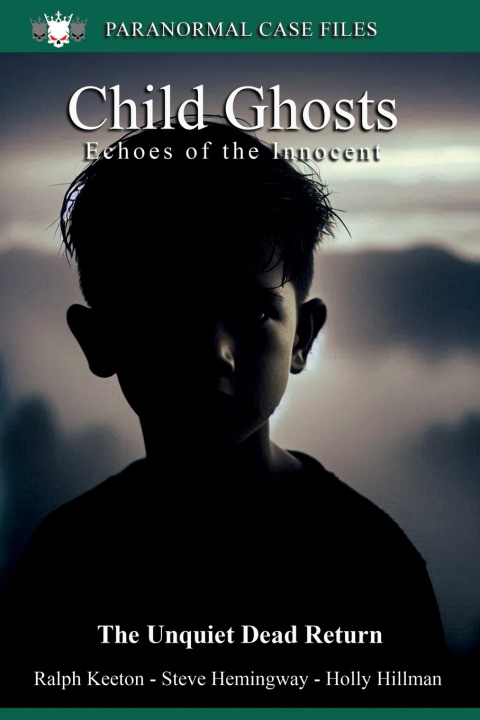
Often, child ghosts are depicted as trapped, unable to move on. Their ghostly presence is interpreted as a manifestation of an unresolved trauma: accidents, illnesses, abuse, or neglect. This sense of lingering pain and unfinished business makes them particularly haunting. We perceive their suffering, their helplessness, and the injustice they endured. This empathy, intertwined with our own anxieties about vulnerability, transforms into fear. The child ghost becomes a symbol of all the things that can go wrong, the potential for innocence to be corrupted and destroyed.
The spectral realm, a place of shadows and whispers, holds a particular terror when it comes to the departed young. While the idea of any ghost can raise goose bumps, the image of a child spirit often carries a unique, unsettling weight. The stories surrounding child ghosts frequently involve untimely or tragic deaths: accidents, illnesses, or acts of violence, leaving behind severely fragmented memories and unresolved emotions. This sense of injustice fuels their spectral existence, and their manifestations can range from subtle whispers and giggling to more dramatic displays of playfulness or sorrow. They might be seen playing with imaginary toys, calling out for parents who are no longer there, or simply staring with vacant eyes, forever trapped in a liminal space between our lives and the afterlife.


Informace o knize
Angličtina
Kategorie
