
 Kontakt
 Jak nakupovat
Doručení
Nákupní rádce
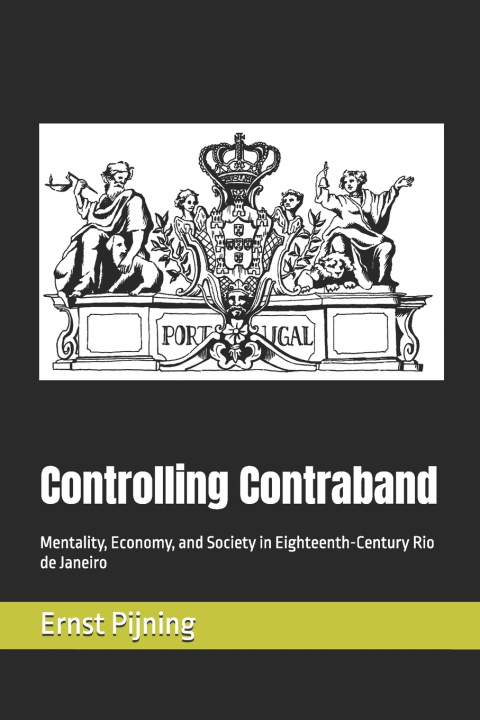
Controlling Contraband
Mentality, Economy, and Society in Eighteenth-Century Rio de Janeiro
 Angličtina
 42 b
42 b
Až 30 dní na vrácení zboží

In 18th-century Rio de Janeiro, the line between legal and illegal wasn't just blurred-it was deliberately erased when convenient. Ernst Pijning's Controlling Contraband exposes the fascinating double game played by Portuguese colonial authorities who publicly condemned smuggling while privately orchestrating it.
This isn't your typical dry academic treatment of trade policy. Pijning has uncovered a world where corruption wasn't a bug in the system - it was a feature. Drawing from court records, government documents, and contemporary literature, he reveals how contraband became the lifeblood of colonial Brazil, tolerated and even encouraged when it served the right interests.
What makes this book essential reading:
The Portuguese Empire's official trade monopolies were largely fiction. Pijning demonstrates how colonial officials systematically looked the other way-or actively participated-when contraband served their economic and political needs.
This wasn't chaos; it was calculated pragmatism that kept the colonial economy afloat.
The book tackles three explosive questions:
- How did illegal trade actually build 18th-century Brazilian society?
- What was Portugal's real strategy for "controlling" contraband (hint: it wasn't control)?
- Who held the power to decide when laws mattered-and when they didn't?
For anyone fascinated by the gap between official policy and messy reality, this book delivers insights that resonate far beyond the 18th century.


Informace o knize
Angličtina
Kategorie

Darujte tuto knihu ještě dnes
Je to snadné
1 Přidejte knihu do košíku a zvolte doručit jako dárek 2 Obratem vám zašleme poukaz 3 Kniha dorazí na adresu obdarovanéhoAhoj! Jsem Libroamiko, tvůj knižní rádce.
Jak ti můžu pomoct?