
 Kontakt
 Jak nakupovat
Doručení
Nákupní rádce
Critical Infrastructure
 Angličtina
 244 b
244 b
Až 30 dní na vrácení zboží
Zákazníci také koupili






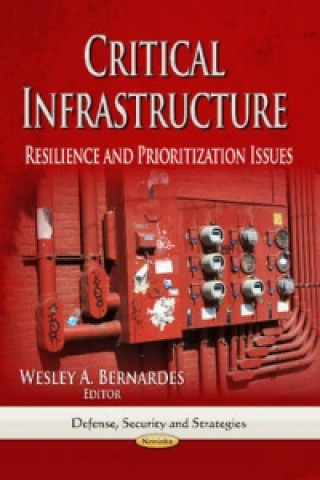
Critical infrastructure are those assets, the loss of which would result in great harm to the nation''s security, economy, health and safety, and morale. They include assets necessary to generate and distribute such basic goods and services as electricity, drinking water, telecommunications, banking and finance, etc. Resilience refers to the ability of a system to resist, absorb, recover from, or successfully adapt to a change in environment or conditions. The Critical Infrastructure Task Force has argued that government policies encouraged employing greater defences such as surveillance equipment, guards, etc., around these assets but did less to encourage efforts that would allow assets to continue operating at some level, or quickly return to full operation, if attacked. Such efforts might include increasing redundancies (such as having multiple backup power generation capability) or designing more robust systems for the future (such as using more hardened concrete for stronger fixed facilities). This book discusses the concept of resilience in the context of critical infrastructure and homeland security. It also identifies and discusses issues related to the evolution of policy and programs at the Department of Homeland Security (DHS) that are meant to, or could, promote the resiliency of the nation''s critical infrastructure.


Informace o knize
Angličtina

Darujte tuto knihu ještě dnes
Je to snadné
1 Přidejte knihu do košíku a zvolte doručit jako dárek 2 Obratem vám zašleme poukaz 3 Kniha dorazí na adresu obdarovanéhoMohlo by vás také zajímat

 /
/
 Brožovaná
 233
Kč
233
Kč


 /
Pevná
2 276
Kč
/
Pevná
2 276
Kč









Ahoj! Jsem Libroamiko, tvůj knižní rádce.
Jak ti můžu pomoct?