
 Kontakt
 Jak nakupovat
Doručení
Nákupní rádce
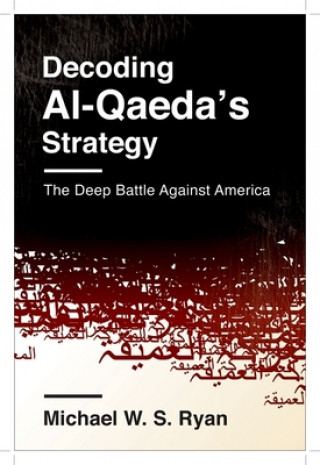
Decoding Al-Qaeda's Strategy
 Angličtina
 371 b
371 b
30 dní na vrácení zboží
Zákazníci také koupili








 /
/
 Brožovaná
 197
Kč
197
Kč









By consulting the work of well-known and obscure al-Qaeda theoreticians, Michael W. S. Ryan finds jihadist terrorism strategy has more in common with the principles of Maoist guerrilla warfare than mainstream Islam. Encouraging strategists and researchers to devote greater attention to jihadi ideas rather than jihadist military operations, Ryan builds an effective framework for analyzing al-Qaeda's plans against America and constructs a compelling counternarrative to the West's supposed "war on Islam." Ryan examines the Salafist roots of al-Qaeda ideology and the contributions of its most famous founders, Osama Bin Laden and Ayman al-Zawahiri, in a political-military context. He also reads the Arabic-language works of lesser known theoreticians who have played an instrumental role in framing al-Qaeda's so-called war of the oppressed. These authors readily cite the guerrilla strategies of Mao, Che Guevara, and the mastermind of the Vietnam War, General Giap. They also incorporate the arguments of American theorists writing on "fourth-generation warfare." Through these texts, readers experience events as insiders see them, and by concentrating on the activities and pronouncements of al-Qaeda's thought leaders, especially in Yemen, they discern the direct link between al-Qaeda's tactics and trends in anti-U.S. terrorism. Ryan shows al-Qaeda's political-military strategy to be a revolutionary and largely secular departure from the classic Muslim conception of jihad, adding invaluable dimensions to the operational, psychological, and informational strategies already deployed by America's military in the region.


Informace o knize
Angličtina
Kategorie

Darujte tuto knihu ještě dnes
Je to snadné
1 Přidejte knihu do košíku a zvolte doručit jako dárek 2 Obratem vám zašleme poukaz 3 Kniha dorazí na adresu obdarovanéhoMohlo by vás také zajímat






 /
Brožovaná
274
Kč
/
Brožovaná
274
Kč











 /
Pevná
692
Kč
/
Pevná
692
Kč



Ahoj! Jsem Libroamiko, tvůj knižní rádce.
Jak ti můžu pomoct?