
 Kontakt
 Jak nakupovat
Doručení
Nákupní rádce
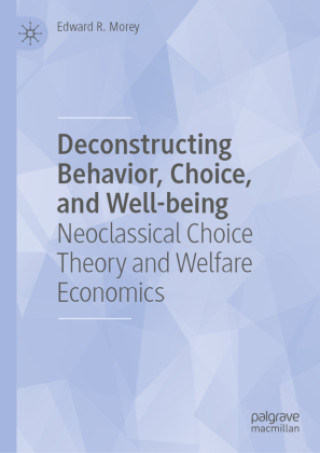
Deconstructing Behavior, Choice, and Well-being
Neoclassical Choice Theory and Welfare Economics
 Angličtina
 335 b
335 b
30 dní na vrácení zboží
Zákazníci také koupili




We exhibit behaviors: working, texting, kissing, and buying M&Ms. Most of us are mostly aware of our actions and perceive most as chosen. But do you wonder why you do what you do rather than something else-how much of it you chose-and whether what you do is best for you? This book interrogates these questions, dealing with how economists model behavior: we imagine behaviors are chosen behaviors and that people behave in their best interests. Many who model behavior also want to judge it. Most such economists adopt the ethic of welfare economics: increasing the well-being of society's members is right, and decreasing it is wrong. Regular people and moral philosophers reject this criterion, and welfare economists can't fathom why. This book considers well-being, or its absence, in other ethics, including Mill's liberalism, Adam Smith's virtue ethics, duty-based ethics, God's rules, Buddhist ethics, and how people really judge right from wrong.


Informace o knize
Angličtina

Darujte tuto knihu ještě dnes
Je to snadné
1 Přidejte knihu do košíku a zvolte doručit jako dárek 2 Obratem vám zašleme poukaz 3 Kniha dorazí na adresu obdarovanéhoMohlo by vás také zajímat



Ahoj! Jsem Libroamiko, tvůj knižní rádce.
Jak ti můžu pomoct?