
 Kontakt
 Jak nakupovat
Doručení
Nákupní rádce
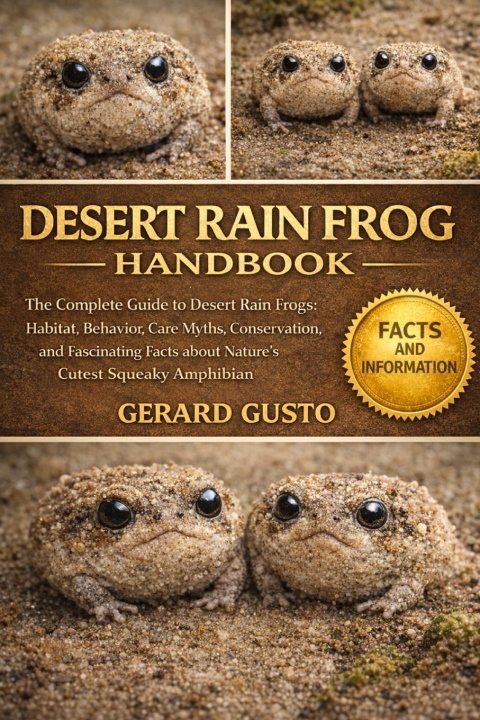
DESERT RAIN FROG HANDBOOK
The Complete Guide to Desert Rain Frogs: Habitat, Behavior, Care Myths, Conservation, and Fascinating Facts about Nature's Cutest Squeaky Amphibian
 Angličtina
 36 b
36 b
Až 30 dní na vrácení zboží

Introduction to the Desert Rain Frog
The Desert Rain Frog (Breviceps macrops) is one of the most unusual and captivating amphibians in the world, a tiny creature that has transcended the boundaries of scientific interest and entered the realm of global fascination. This small, rotund frog, with its bulging eyes, short limbs, and perpetual grumpy expression, has become a cultural icon thanks to viral videos and social media attention. But beyond its cute appearance and squeaky vocalizations lies a fascinating story of survival, ecological importance, and adaptation to one of the harshest environments on Earth.
A Creature of Contrasts
The Desert Rain Frog is native to a narrow coastal strip along the Namib Desert, stretching between Angola and South Africa. What makes this frog extraordinary is not just its appearance but the contradiction it represents: an amphibian thriving in a desert, where water is scarce and conditions are extreme. Most frogs rely heavily on moisture-rich habitats like ponds, rivers, or wetlands, yet the Desert Rain Frog has adapted to live in dry, sandy environments with only occasional mists and fogs to sustain it.
Its round body is not designed for long leaps like other frogs but for digging and burrowing, where it can remain moist and protected beneath the sand. This odd physical form, combined with its comical squeaks when threatened, has made it an animal that sparks both laughter and awe in equal measure.
The Global Fascination
While the Desert Rain Frog has been known to scientists for many years, its rise to worldwide fame came when videos showcasing its squeaky defensive call went viral. Millions of viewers were charmed by the sight of a tiny, plump frog inflating its body, producing a high-pitched squeal, and attempting to appear intimidating while simultaneously looking irresistibly adorable.
This global fascination has turned the frog into a symbol of resilience and humor, often featured in memes, documentaries, and even children's books. For many people who had never taken an interest in amphibians before, the Desert Rain Frog became a gateway into the world of wildlife appreciation and conservation awareness.
Why Scientists Are Captivated
Beyond internet fame, researchers are deeply intrigued by the Desert Rain Frog because of its remarkable adaptations. Living in the desert requires extraordinary strategies for survival, and this species has mastered them. Its reliance on fog for hydration, its burrowing habits to avoid desiccation, and its peculiar body structure all provide insights into how animals can evolve to thrive in inhospitable environments.
Scientists also study its vocalizations, which are unique among amphibians. Unlike the croaks and ribbits of other frogs, the Desert Rain Frog's squeaks resemble toy noises more than traditional amphibian calls. Understanding why and how these calls evolved offers a fascinating window into animal communication and defensive behavior.
The Emotional Connection with Humans
The Desert Rain Frog's charm goes far beyond its biological traits. There is an emotional connection that people feel when they see it. Its permanently round body and comically stern face trigger feelings of empathy and amusement. Humans are naturally drawn to creatures that appear "cute" or childlike, and this frog embodies those qualities in abundance.
This emotional connection has elevated the species into a symbol of vulnerability and innocence, sparking conversations about the fragility of desert ecosystems. It demonstrates how one small animal, when highlighted through media, can raise awareness about broader issues like habitat destruction and conservation.


Informace o knize
Angličtina
Kategorie

Darujte tuto knihu ještě dnes
Je to snadné
1 Přidejte knihu do košíku a zvolte doručit jako dárek 2 Obratem vám zašleme poukaz 3 Kniha dorazí na adresu obdarovanéhoAhoj! Jsem Libroamiko, tvůj knižní rádce.
Jak ti můžu pomoct?