
 Kontakt
 Jak nakupovat
Doručení
Nákupní rádce
 Angličtina
 162 b
162 b
30 dní na vrácení zboží
Zákazníci také koupili






 /
/
 Brožovaná
 320
Kč
320
Kč


 /
Brožovaná
336
Kč
/
Brožovaná
336
Kč

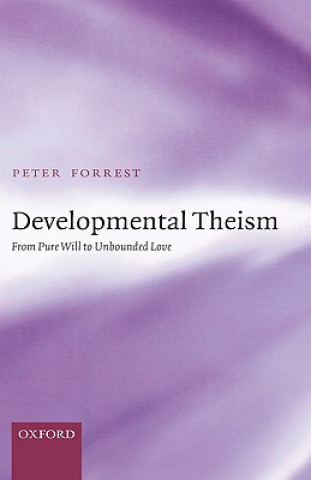
This is a work of speculative theology based on three themes: that a version of materialism is a help not a hindrance in philosophical theology; that God develops; and that this development is on the whole kenotic, in other words an abandonment of power. Peter Forrest argues that the resulting kenotic theism might well be correct. He claims that his hypothesis concerning God is better than known rival hypotheses, including atheism, and that if there is no unknown better hypothesis it is good enough to be believed. In the Introduction he offers a defense of the type of metaphysical speculation on which his thesis rests. Elsewhere in the book he defends his 'moderate materialism', expounds the notion of the 'Primordial God', and discusses how God changes. In the resulting account, Forrest reconciles the unloving and unlovable God of the philosophers with the God of the Abrahamic tradition. In a quasi-Gnostic fashion he puts the blame for evils on the Primordial God and argues that after God has become loving, the divine powers of intervention are limited by the natural order. In the final two chapters he applies this kenotic theism to specifically Christian teachings, notably the Trinity and the Incarnation.


Informace o knize
Angličtina

Darujte tuto knihu ještě dnes
Je to snadné
1 Přidejte knihu do košíku a zvolte doručit jako dárek 2 Obratem vám zašleme poukaz 3 Kniha dorazí na adresu obdarovanéhoMohlo by vás také zajímat



 /
Pevná
5 043
Kč
/
Pevná
5 043
Kč

Ahoj! Jsem Libroamiko, tvůj knižní rádce.
Jak ti můžu pomoct?