Doprava zdarma při nákupu nad 1 499 Kč přes Zásilkovnu nebo PPL Box.

Staňte se součástí komunity milovníků knih z celého světa a získejte hromadu výhod.
Založit účet zdarma
Doprava zdarma se Zásilkovnou nad 1 499 Kč
Kurýr DPD 69 Kč
PPL shop 49 Kč
Balíkovna 69 Kč
PPL kurýr 74 Kč
PPL box 39 Kč
Balíkovna 49 Kč
Výdejní místo DPD 49 Kč
Zásilkovna 39 Kč
 Kontakt
 Jak nakupovat
Pomoc
Doručení
Kurýr DPD 69 Kč
PPL shop 49 Kč
Balíkovna 69 Kč
PPL kurýr 74 Kč
PPL box 39 Kč
Balíkovna 49 Kč
Výdejní místo DPD 49 Kč
Zásilkovna 39 Kč
Doprava zdarma se Zásilkovnou nad 1 499 Kč
Nákupní rádce
Jsme tu pro vás!
571 999 090
Můj účet
▸
Prázdný :-(
0
Doprava zdarma při nákupu nad 1 499 Kč přes Zásilkovnu nebo PPL Box.
Digital Addiction
Recovery Guide to Managing Phone Addiction, Social Media, Gaming, and Screen Time Challenges for Digital Users
Jazyk
 Angličtina
Angličtina
Kniha
Brožovaná
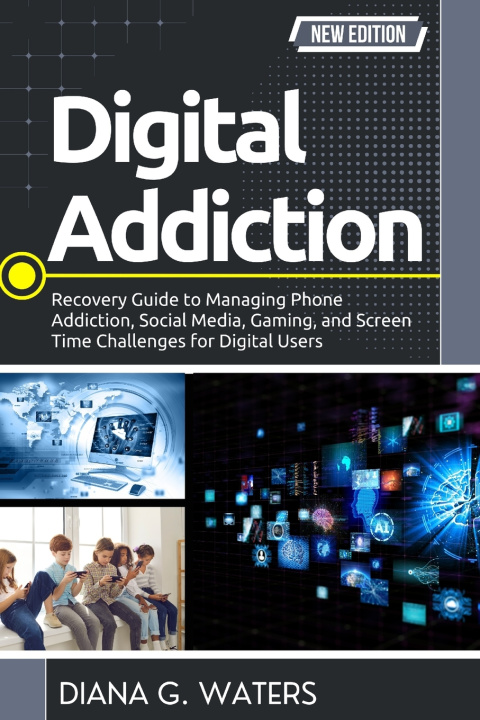
When Technology Is Everywhere-but Control Is SlippingPhones, social media, games, and constant onlin...
Celý popis
Libristo kód: 50497900
?
 39 b
39 b
39 b
392
Kč
Skladem u dodavatele
Odesíláme za 9-15 dnů
Až 30 dní na vrácení zboží

When Technology Is Everywhere-but Control Is Slipping
Phones, social media, games, and constant online access are part of everyday life. For many people, however, that constant presence quietly turns into loss of focus, emotional reliance, time distortion, anxiety during disconnection, and a growing sense that attention is no longer fully voluntary.Digital Addiction exists because clarity changes outcomes.
This book is not about rejecting technology or enforcing abstinence-it is about understanding why certain digital behaviors become difficult to regulate and how control can be restored without shame or extremes.
WHAT THIS BOOK DOES - CLEARLY AND HONESTLY
Rather than blaming willpower or treating all screen problems the same, this book explains what is happening at the psychological, behavioral, and nervous-system level-in clear, grounded language.You'll gain clarity on:
- Why phone, gaming, social media, and internet addictions feel similar but function differently
- How dopamine, variable rewards, and design features create compulsive loops
- How digital use shifts from habit to dependency without obvious warning signs
- Why "cutting back" often fails-and when self-management stops working
- How anxiety, boredom, identity pressure, and emotional avoidance drive overuse
WHY DIGITAL ADDICTION OFTEN GOES UNRECOGNIZED
Digital addiction rarely looks dramatic. There may be no collapse, no rock bottom, and no single substance to remove.Instead, it often appears as:
- Productivity loss without obvious addiction signals
- Time dissociation during browsing, videos, or games
- Emotional regulation outsourced to screens
- Validation, comparison, and algorithmic pressure shaping mood and identity
- Nervous system overstimulation normalized as "everyday use"
RECOVERY WITHOUT EXTREMES OR PERFECTIONISM
Recovery here is practical, flexible, and realistic.This book focuses on:
- Reducing access without triggering rebound behavior
- Managing withdrawal symptoms unique to digital use
- Stabilizing the nervous system during early change
- Relearning emotional regulation without scrolling
- Rebuilding attention, motivation, and presence offline
- Creating personal rules that hold long-term-without rigidity
LONG-TERM STABILITY IN AN ALWAYS-ONLINE WORLD
Because technology is not going away, this book focuses on what actually sustains change:- Distinguishing slip-ups from relapse without self-judgment
- Identifying high-risk situations by addiction type
- Maintaining progress without perfectionism
- Using technology intentionally-as a tool, not an escape
- Adapting as platforms and demands evolve
WHO THIS BOOK IS FOR
This book is written for:- People struggling with phone, social media, gaming, or internet overuse
- Readers tired of advice that ignores how digital systems are designed
- Individuals seeking control without abstinence extremes
- Clinicians, coaches, and educators seeking conceptual clarity
- Anyone who feels their attention, mood, or time slipping away quietly
It's not anti-technology.
It's a clarity book.
Reclaim your attention.
Rebuild control.
Live with technology-without being controlled by it.
Herečka
&
Polyglotka
EWA KASP
pro
Přehrát video


Libristo má největší výběr cizojazyčné literatury. Proto své knihy kupuji tady.
Informace o knize
Plný název
Digital Addiction
Autor
Diana G. Waters
Jazyk
Angličtina
Angličtina
Vazba
Kniha - Brožovaná
Datum vydání
2026
Počet stran
186
EAN
9798242571402
Libristo kód
50497900
Nakladatelství
Independently published
Váha
258
Rozměry
152 x 229 x 10

Darujte tuto knihu ještě dnes
Je to snadné
1 Přidejte knihu do košíku a zvolte doručit jako dárek 2 Obratem vám zašleme poukaz 3 Kniha dorazí na adresu obdarovaného
Knižní rádce Libroamiko
Užíváním tohoto chatu komunikujete s generativní umělou inteligencí. Jeho užíváním také souhlasíte se zpracováním osobních údajů.
Ahoj! Jsem Libroamiko, tvůj knižní rádce.
Jak ti můžu pomoct?
Ahoj, jsem Libroamiko, můžu pomoct?