
 Kontakt
 Jak nakupovat
Doručení
Nákupní rádce
 Angličtina
 74 b
74 b
Až 30 dní na vrácení zboží
Zákazníci také koupili



 /
/
 Brožovaná
 957
Kč
957
Kč







 /
Brožovaná
403
Kč
/
Brožovaná
403
Kč
 /
Brožovaná
369
Kč
/
Brožovaná
369
Kč



 /
Brožovaná
1 701
Kč
/
Brožovaná
1 701
Kč














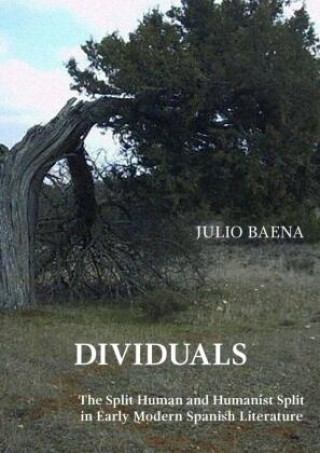
Dividuals explores the other side, or hidden side of modern subjectivity, as seen in (mostly four) early modern Spanish classics. Veering away from the hypertrophied notions of individuality and identity, which constitute the bases of our own post-humanism and even anti-humanism, this essay looks into how, as humans, and as humanists, we have a long history of showing dividuality, a never-ending split in our beings. The split manifests itself in the humanist's split between historicist, socio-economic explanations of subjectivity (i.e.: how "modern man" is historically bound to a time, a space, and a specific mode of production/ideology), of which Marxism has been the most characteristic expression, and explanations of subjectivity in which, on the contrary, the human psyche emerges every day of every era in relation to more universal traits such as language (i.e.: how "modern man" was always "there" as long as the construction of individuality depends on language and its endless signifying mechanics), of which psychoanalysis is the main discourse. But the split also manifests itself in the deeply contradictory nature of Don Quixote, Celestina, Lazarillo, or Diana.


Informace o knize
Angličtina

Darujte tuto knihu ještě dnes
Je to snadné
1 Přidejte knihu do košíku a zvolte doručit jako dárek 2 Obratem vám zašleme poukaz 3 Kniha dorazí na adresu obdarovanéhoMohlo by vás také zajímat


 /
Brožovaná
2 075
Kč
/
Brožovaná
2 075
Kč














 /
Pevná
1 039
Kč
/
Pevná
1 039
Kč


 /
/
 Adobe ePub DRM
12 267
Kč
Adobe ePub DRM
12 267
Kč

Ahoj! Jsem Libroamiko, tvůj knižní rádce.
Jak ti můžu pomoct?