
 Kontakt
 Jak nakupovat
Doručení
Nákupní rádce
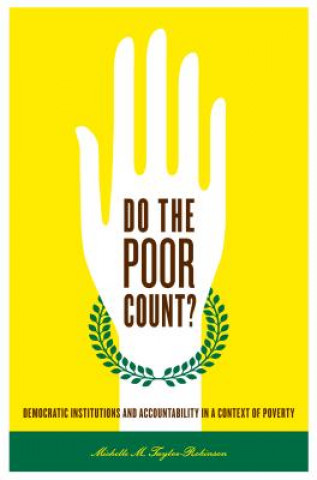
Do the Poor Count?
Democratic Institutions and Accountability in a Context of Poverty
 Angličtina
 111 b
111 b
30 dní na vrácení zboží
Zákazníci také koupili





 /
/
 Brožovaná
 1 009
Kč
1 009
Kč











 /
Brožovaná
287
Kč
/
Brožovaná
287
Kč

Latin America's flirtation with neoliberal economic restructuring in the 1980s and 1990s (the so-called Washington Consensus strategy) had the effect of increasing income inequality throughout the region. The aim of this economic policy was in part to create the conditions for stable democracy by ensuring efficient economic use of resources, both human and capital, but the widening gap between rich and poor threatened to undermine political stability. At the heart of the dilemma faced by these new democracies is the question of accountability: Are all citizens equally capable of holding the government accountable if it does not represent their interests? In this book, Michelle Taylor-Robinson investigates both the formal institutions of democracy (such as electoral rules and the design of the legislative and executive branches) and informal institutions (such as the nomination procedures of political parties and patron-client relationships) to see what incentives legislators have to pay attention to the needs of poor people and thereby adequately represent their interests.


Informace o knize
Angličtina
Kategorie

Darujte tuto knihu ještě dnes
Je to snadné
1 Přidejte knihu do košíku a zvolte doručit jako dárek 2 Obratem vám zašleme poukaz 3 Kniha dorazí na adresu obdarovanéhoMohlo by vás také zajímat



 /
Brožovaná
511
Kč
/
Brožovaná
511
Kč

Ahoj! Jsem Libroamiko, tvůj knižní rádce.
Jak ti můžu pomoct?