
 Kontakt
 Jak nakupovat
Doručení
Nákupní rádce
Domestic Law Goes Global
 Angličtina
 195 b
195 b
Až 30 dní na vrácení zboží
Zákazníci také koupili






 /
/
 Brožovaná
 732
Kč
732
Kč

 /
Brožovaná
315
Kč
/
Brožovaná
315
Kč


 /
Pevná
2 024
Kč
/
Pevná
2 024
Kč






 /
List
212
Kč
/
List
212
Kč



 /
Brožovaná
407
Kč
/
Brožovaná
407
Kč

 /
Brožovaná
702
Kč
/
Brožovaná
702
Kč


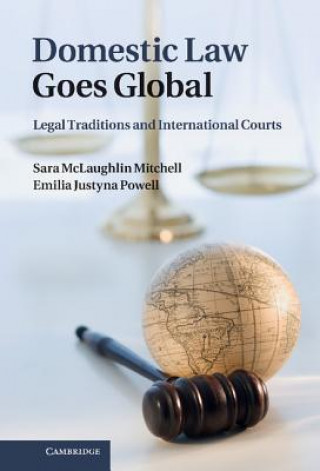
International courts have proliferated in the international system, with over one hundred judicial or quasi-judicial bodies in existence today. This book develops a rational legal design theory of international adjudication in order to explain the variation in state support for international courts. Initial negotiators of new courts, 'originators', design international courts in ways that are politically and legally optimal. States joining existing international courts, 'joiners', look to the legal rules and procedures to assess the courts' ability to be capable, fair and unbiased. The authors demonstrate that the characteristics of civil law, common law and Islamic law influence states' acceptance of the jurisdiction of international courts, the durability of states' commitments to international courts, and the design of states' commitments to the courts. Furthermore, states strike cooperative agreements most effectively in the shadow of an international court that operates according to familiar legal principles and rules.


Informace o knize
Angličtina

Darujte tuto knihu ještě dnes
Je to snadné
1 Přidejte knihu do košíku a zvolte doručit jako dárek 2 Obratem vám zašleme poukaz 3 Kniha dorazí na adresu obdarovanéhoMohlo by vás také zajímat






 /
Brožovaná
564
Kč
/
Brožovaná
564
Kč












 /
Pevná
794
Kč
/
Pevná
794
Kč




Ahoj! Jsem Libroamiko, tvůj knižní rádce.
Jak ti můžu pomoct?