
 Kontakt
 Jak nakupovat
Doručení
Nákupní rádce
Efira
Centuries of Otuho Heritage in South Sudan: Centuries of Otuho Heritage in South Sudan
 Angličtina
 138 b
138 b
 Nové
Nové
30 dní na vrácení zboží

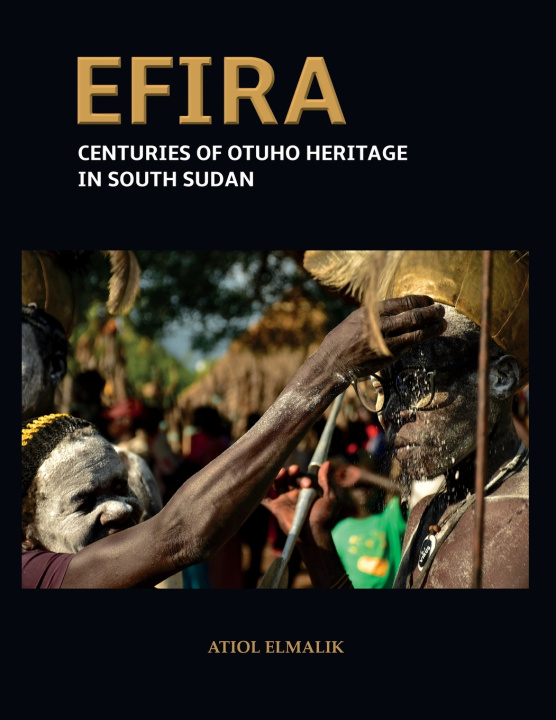
Efira: Centuries of Otuho Heritage in South Sudan invites readers into one of Africa's most remarkable cultural traditions. At its core is Efira, the Otuho people's longstanding system of peaceful leadership handover, a process that has guided unity, stability, and identity for more than five hundred years. Through this tradition, the Otuho demonstrate a profound understanding of why governance matters: not as a struggle for power, but as a responsibility entrusted to each new generation.
This book reveals how the Otuho built a form of civilization rooted in local governance, where authority grows from community trust, decision-making is shared, and leaders are shaped by wisdom rather than force. Efira offers a thoughtful comparison between ancient systems of governance and the challenges facing modern political structures, showing how respect, dialogue, and continuity can remain powerful tools for stability in any era. The Otuho model challenges the belief that effective governance requires formal institutions alone, highlighting instead the enduring strength of cultural knowledge passed down through time.
For historians, anthropologists, and political thinkers, this work provides a rare window into a society where leadership and democracy coexist within tradition. For visual storytellers and artists, the book's photograph captures the emotion, symbolism, and humanity behind generational transition, portraying power not as domination but as renewal.
Museums, cultural institutions, and preservationists will recognize Efira as an essential record of how communities safeguard identity and guide social transformation through shared values. More than a cultural archive, this book speaks to universal questions about how societies govern, how they endure, and how they prepare the leaders of tomorrow.
Let Efira deepen your understanding of peaceful leadership, cultural resilience, and the timeless search for meaningful governance.


Informace o knize
Angličtina
Kategorie
