
 Kontakt
 Jak nakupovat
Doručení
Nákupní rádce
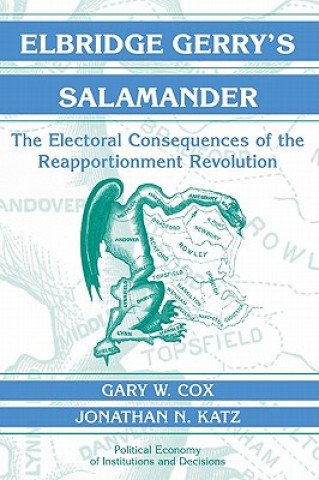
Elbridge Gerry's Salamander
The Electoral Consequences of the Reapportionment Revolution
 Angličtina
 85 b
85 b
Až 30 dní na vrácení zboží
Zákazníci také koupili












 /
/
 Brožovaná
 655
Kč
655
Kč








 /
Brožovaná
926
Kč
/
Brožovaná
926
Kč

 /
Brožovaná
765
Kč
/
Brožovaná
765
Kč


The Supreme Court's reapportionment decisions, beginning with Baker v. Carr in 1962, had far more than jurisprudential consequences. They sparked a massive wave of extraordinary redistricting in the mid-1960s. Both state legislative and congressional districts were redrawn more comprehensively - by far - than at any previous time in America's history. Moreover, they changed what would happen at law should a state government fail to enact a new districting plan when one was legally required. This 2002 book provides a detailed analysis of how judicial partisanship affected redistricting outcomes in the 1960s, arguing that the reapportionment revolution led indirectly to three fundamental changes in the nature of congressional elections: the abrupt eradication of a 6% pro-Republican bias in the translation of congressional votes into seats outside the south; the abrupt increase in the apparent advantage of incumbents; and the abrupt alteration of the two parties' success in congressional recruitment and elections.


Informace o knize
Angličtina

Darujte tuto knihu ještě dnes
Je to snadné
1 Přidejte knihu do košíku a zvolte doručit jako dárek 2 Obratem vám zašleme poukaz 3 Kniha dorazí na adresu obdarovanéhoMohlo by vás také zajímat




















 /
Brožovaná
419
Kč
/
Brožovaná
419
Kč






Ahoj! Jsem Libroamiko, tvůj knižní rádce.
Jak ti můžu pomoct?