
 Kontakt
 Jak nakupovat
Doručení
Nákupní rádce
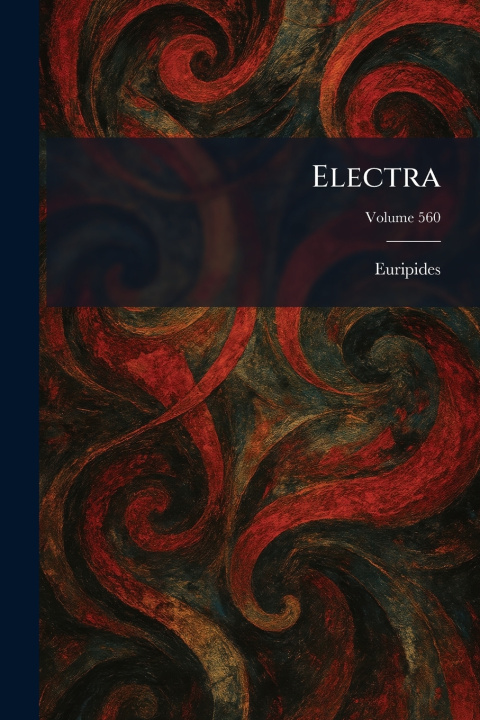
Electra
 Angličtina
 37 b
37 b
30 dní na vrácení zboží

"Electra" is a profound and unsettling Greek tragedy by the master playwright Euripides. Diverging from the more heroic interpretations of the myth found in the works of Aeschylus and Sophocles, Euripides presents a stark, psychological portrait of a family torn apart by violence and the relentless pursuit of vengeance. The story follows Electra, living in exile and poverty, as she plots with her brother Orestes to murder their mother, Clytemnestra, and her lover, Aegisthus, in retribution for the assassination of their father, Agamemnon.
Unlike other versions of the legend, Euripides's "Electra" focuses on the human consequences of the blood feud, depicting the characters with a realism that emphasizes their trauma and moral ambiguity. The play explores themes of social status, gender, and the cyclical nature of violence, questioning whether true justice can ever be achieved through further bloodshed. Known for its complex characterization and its critique of traditional heroic ideals, "Electra" remains a cornerstone of classical literature. This timeless work continues to resonate with modern audiences for its deep exploration of the human psyche and the heavy burden of duty and revenge.
This work has been selected by scholars as being culturally important, and is part of the knowledge base of civilization as we know it. This work was reproduced from the original artifact, and remains as true to the original work as possible. Therefore, you may see the original copyright references, library stamps (as most of these works have been housed in our most important libraries around the world), and other notations in the work.
This work is in the public domain in the United States of America, and possibly other nations. Within the United States, you may freely copy and distribute this work, as no entity (individual or corporate) has a copyright on the body of the work.
As a reproduction of a historical artifact, this work may contain missing or blurred pages, poor pictures, errant marks, etc. Scholars believe, and we concur, that this work is important enough to be preserved, reproduced, and made generally available to the public. We appreciate your support of the preservation process, and thank you for being an important part of keeping this knowledge alive and relevant.


Informace o knize
Angličtina
