
 Kontakt
 Jak nakupovat
Doručení
Nákupní rádce
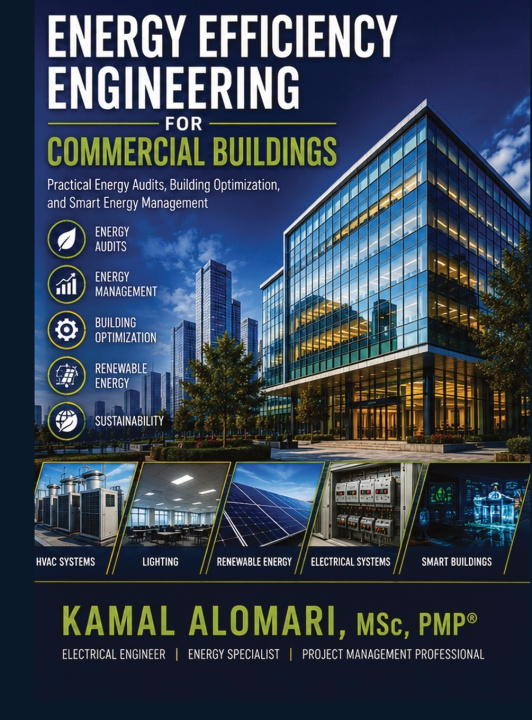
ENERGY EFFICIENCY ENGINEERING FOR COMMERCIAL BUILDINGS
PRACTICAL ENERGY AUDITS, BUILDING OPTIMIZATION, AND SMART ENERGY MANAGEMENT
 Angličtina
 374 b
374 b
 Nové
Nové
Až 30 dní na vrácení zboží

Energy Efficiency Engineering for Commercial Buildings: Practical Energy Audits, Building Optimization, and Smart Energy Management is a comprehensive engineering reference that combines theory, practical applications, and real-world experience to improve the energy performance of commercial buildings. Designed for engineers, energy managers, consultants, facility managers, architects, researchers, and graduate students, this book provides a systematic approach to reducing energy consumption, lowering operating costs, and enhancing building sustainability.
The book guides readers through the complete energy audit process, from planning and site inspections to data collection, engineering calculations, reporting, and implementation of energy conservation measures. It covers building energy fundamentals, performance indicators, utility analysis, benchmarking, and internationally recognized energy management practices.
Detailed chapters examine lighting systems, HVAC equipment, motors, pumps, fans, transformers, electrical distribution systems, building envelopes, power quality, renewable energy integration, battery energy storage, and demand-side management. Practical engineering methods demonstrate how to identify inefficiencies, optimize equipment performance, improve reliability, and maximize energy savings while maintaining occupant comfort.
Modern smart-building technologies are explored through Building Management Systems (BMS), Internet of Things (IoT), smart metering, artificial intelligence, predictive maintenance, digital twins, cloud-based monitoring, and data analytics. These technologies enable intelligent control, continuous monitoring, and data-driven decision-making for high-performance commercial buildings.
The book also presents practical financial evaluation techniques, including life-cycle cost analysis, payback period, net present value (NPV), internal rate of return (IRR), benefit-cost ratio, and sensitivity analysis, allowing readers to evaluate projects from both technical and economic perspectives. Additional chapters cover commissioning, retro-commissioning, measurement and verification (M&V), sustainability strategies, and continuous energy performance improvement.
Filled with engineering formulas, worked examples, practical calculations, design procedures, checklists, and real-world case studies, this book bridges the gap between academic knowledge and professional engineering practice. It serves as both a university textbook and a practical reference for professionals involved in the design, operation, maintenance, auditing, and optimization of commercial buildings.
Whether designing new facilities or upgrading existing ones, Energy Efficiency Engineering for Commercial Buildings provides the technical knowledge, analytical tools, and engineering methodologies needed to improve energy efficiency, reduce operating costs, integrate renewable energy technologies, and support the transition toward smarter, more sustainable commercial buildings. It is an essential resource for anyone committed to creating high-performance, energy-efficient buildings for the future.


Informace o knize
Angličtina

Darujte tuto knihu ještě dnes
Je to snadné
1 Přidejte knihu do košíku a zvolte doručit jako dárek 2 Obratem vám zašleme poukaz 3 Kniha dorazí na adresu obdarovanéhoAhoj! Jsem Libroamiko, tvůj knižní rádce.
Jak ti můžu pomoct?