
 Kontakt
 Jak nakupovat
Doručení
Nákupní rádce
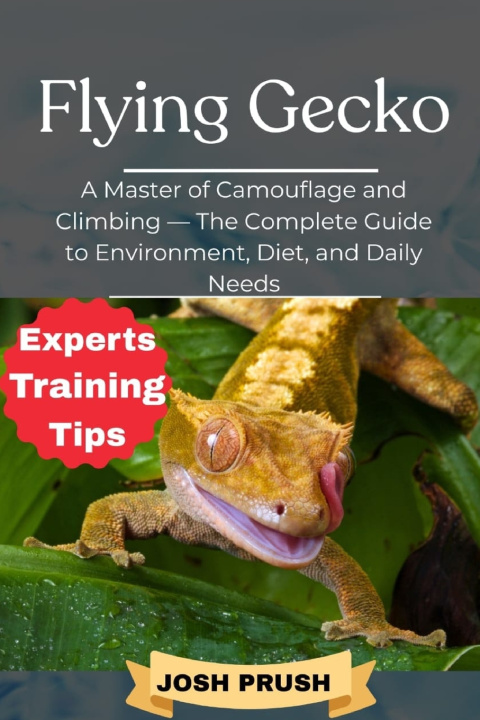
FLYING GECKO
A Master of Camouflage and Climbing - The Complete Guide to Environment, Diet, and Daily Needs
 Angličtina
 42 b
42 b
Až 30 dní na vrácení zboží

The flying geckos of the genus Ptychozoon are among the most extraordinary reptiles of Southeast Asia. Found across regions such as Thailand, Malaysia, Myanmar, Borneo, and the Philippines, these lizards have evolved a striking set of adaptations that allow them to thrive in dense tropical forests. Unlike the name might suggest, flying geckos do not engage in powered flight like birds or bats. Instead, they employ controlled gliding and parachuting techniques, supported by specialized body structures that allow them to navigate gaps between trees, escape predators, and exploit a unique ecological niche.
Adults typically measure between 12 and 20 centimeters in length, with slender bodies and relatively lightweight frames that make aerial maneuvering possible. Their physical form, behavior, and daily rhythm are all tightly linked to the arboreal lifestyle. The very name Ptychozoon derives from the Greek words ptycho ("fold") and zoon ("animal"), referencing the distinctive skin flaps that fold and unfold along the body and limbs. These folds define the gecko's appearance, camouflage strategy, and ability to glide.
In the ecosystems where they live, flying geckos spend the majority of their time on tree trunks and branches. They are difficult to spot, often blending perfectly into the bark and lichen around them. This ability to vanish into the background is not accidental but the result of millions of years of evolutionary refinement. Their survival depends on the delicate balance of camouflage, rapid escape through controlled descent, and nighttime foraging.
Understanding flying geckos begins with appreciating the ways in which their anatomy and behavior are specialized. Three elements stand out as central to their identity: camouflaging skin flaps, gliding adaptations, and nocturnal activity. Each of these traits plays a distinct role, yet together they form a coherent system that allows the gecko to avoid detection, move efficiently, and live successfully in the complex vertical environment of tropical forests.


Informace o knize
Angličtina

Darujte tuto knihu ještě dnes
Je to snadné
1 Přidejte knihu do košíku a zvolte doručit jako dárek 2 Obratem vám zašleme poukaz 3 Kniha dorazí na adresu obdarovanéhoAhoj! Jsem Libroamiko, tvůj knižní rádce.
Jak ti můžu pomoct?