 Kontakt
 Jak nakupovat
Doručení
Nákupní rádce
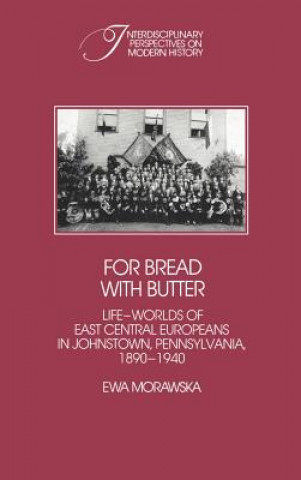
For Bread with Butter
The Life-Worlds of East Central Europeans in Johnstown, Pennsylvania, 1890-1940
 Angličtina
 375 b
375 b
30 dní na vrácení zboží
Zákazníci také koupili



















 /
/
 Brožovaná
 1 014
Kč
1 014
Kč


Fifty years ago, enactment of the Wagner National Labor Relations Act gave American organized labour what it has regarded ever since as one of its greatest assets: a legislative guarantee of the right of workers to organize and bargain collectively. Yet although the Wagner Act's guarantees remain substantially unaltered, organized labour in America today is in deep decline. Addressing this apparent paradox, Christopher Tomlins offers here a critical examination of the impact of the National Labor Relations Act on American unions. By studying the intentions and goals of policy makers in the context of the development of labour law from the late nineteenth century, and by looking carefully at the course of labour history since the act's passage, Dr Tomlins shows how public policy has been shaped to confine labour's role in the American economy, and that many of the unions' problems stem from the laws which purport to protect them.


Informace o knize
Angličtina

Darujte tuto knihu ještě dnes
Je to snadné
1 Přidejte knihu do košíku a zvolte doručit jako dárek 2 Obratem vám zašleme poukaz 3 Kniha dorazí na adresu obdarovanéhoMohlo by vás také zajímat




 /
Brožovaná
695
Kč
/
Brožovaná
695
Kč