
 Kontakt
 Jak nakupovat
Doručení
Nákupní rádce
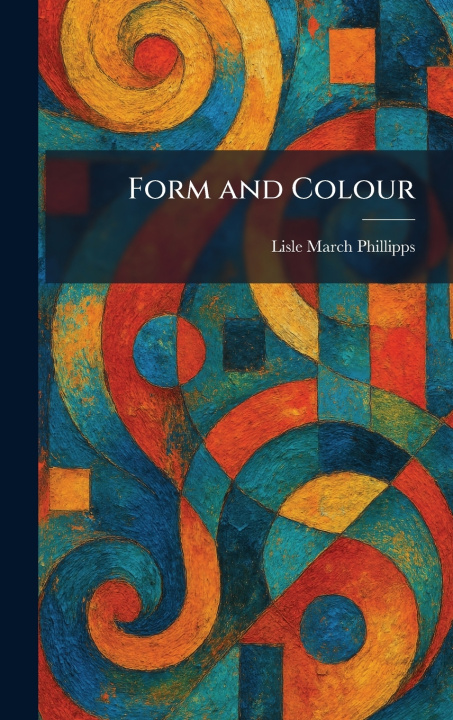
Form and Colour
 Angličtina
 79 b
79 b
Až 30 dní na vrácení zboží

"Form and Colour" is a profound exploration of the fundamental principles that govern the world's greatest artistic traditions. Written by the influential art critic Lisle March Phillipps, this work delves into the philosophical and spiritual divide between the Western emphasis on form and the Eastern mastery of colour. Phillipps argues that "form" represents the intellectual, rational, and architectural spirit of the West-rooted in the classical legacies of Greece and Rome-while "colour" embodies the emotional, mystical, and sensory depth of the East, exemplified by Byzantine and Islamic art.
Through a comprehensive analysis of architecture, painting, and decorative arts, the author examines how these two distinct approaches reflect the underlying temperaments of their respective civilizations. The book traces the historical evolution of these elements, showing how they have shaped human perception and artistic expression across centuries. For students of art history, philosophy, and aesthetics, "Form and Colour" remains a seminal text that challenges readers to reconsider the relationship between visual elements and the human soul. It provides a timeless framework for understanding why we respond to art the way we do and how the synthesis of these two forces defines the history of human creativity.
This work has been selected by scholars as being culturally important, and is part of the knowledge base of civilization as we know it. This work was reproduced from the original artifact, and remains as true to the original work as possible. Therefore, you may see the original copyright references, library stamps (as most of these works have been housed in our most important libraries around the world), and other notations in the work.
This work is in the public domain in the United States of America, and possibly other nations. Within the United States, you may freely copy and distribute this work, as no entity (individual or corporate) has a copyright on the body of the work.
As a reproduction of a historical artifact, this work may contain missing or blurred pages, poor pictures, errant marks, etc. Scholars believe, and we concur, that this work is important enough to be preserved, reproduced, and made generally available to the public. We appreciate your support of the preservation process, and thank you for being an important part of keeping this knowledge alive and relevant.


Informace o knize
Angličtina
