
 Kontakt
 Jak nakupovat
Doručení
Nákupní rádce
Fracture
 Angličtina
 38 b
38 b
30 dní na vrácení zboží
Mohlo by vás také zajímat



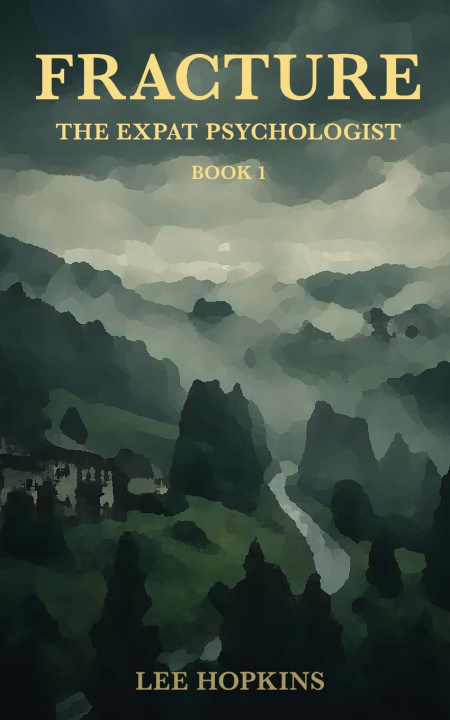
What happens when the person trained to diagnose psychological collapse becomes the case study?
In Fracture, an Australian psychologist living in Vietnam documents the slow, unnerving unraveling of his own inner life. Set in the mist-heavy streets of Đà Lạt, the novel follows a man who walks, observes, remembers, and analyses with professional precision, while his sense of coherence steadily erodes.
This is not a dramatic breakdown. There are no single moments of catastrophe. Instead, Fracture traces the quieter, more unsettling process of destabilisation, the insomnia that sharpens perception, the memory slips that arrive without warning, the growing awareness that insight does not equal control.
The narrator's clinical training becomes both shield and liability. Diagnostic language offers temporary distance, but fails to contain grief, exile, and the disorientation of living in translation. The city itself becomes an accomplice, fog obscuring landmarks, routines losing shape, time refusing to behave.
Written in restrained, precise prose, Fracture occupies the space between literary fiction, psychological realism, and existential inquiry. It explores the limits of self-knowledge, the fragility of identity, and the uncomfortable truth that understanding the mind does not protect you from its collapse.
This novel will resonate with readers drawn to introspective fiction, psychological depth, and narratives that resist tidy resolution. It is for those who recognise that mental fracture is often quiet, methodical, and deeply internal.
Fracture does not offer reassurance. It offers recognition.


Informace o knize
Angličtina

Darujte tuto knihu ještě dnes
Je to snadné
1 Přidejte knihu do košíku a zvolte doručit jako dárek 2 Obratem vám zašleme poukaz 3 Kniha dorazí na adresu obdarovanéhoAhoj! Jsem Libroamiko, tvůj knižní rádce.
Jak ti můžu pomoct?