
 Kontakt
 Jak nakupovat
Doručení
Nákupní rádce
 Angličtina
 58 b
58 b
 Nové
Nové
30 dní na vrácení zboží

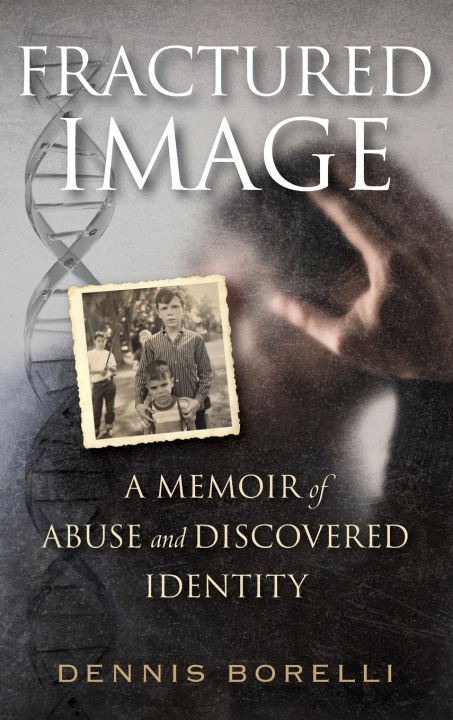
Centered on the discovery of a late-life Non-Paternity Event the book addresses the subtle but far-reaching emotional repercussions of secrecy, betrayal, and silence within families.
This is a memoir that invites the reader to more fully inhabit the author's emotional world by examining how a single late-life revelation unsettled his lifetime of understood identity. Centered on the discovery of a Non-Paternity Event at the age of 72, the book addresses the subtle but far-reaching emotional repercussions of secrecy, betrayal, and silence within families. What distinguishes this memoir is not just the revelation itself but the author's careful willingness to explore its emotional origins across decades of lived experience,
The narrative opens as a lifelong exploration of cause and consequence. Experiences of childhood trauma, neglect, and abuse are considered not as isolated incidents but as underlying factors that shaped the author's sense of self, relationships, and emotional boundaries. The memoir is at its most insightful point when showing how unaddressed pain can quietly shape choices, careers, and relationships in subtle ways, often beneath the surface of conscious awareness. The layered storytelling lends the book psychological depth and a sense of lived authenticity.
One of the memoir's key strengths is its honesty. The author writes with clarity and restraint, resisting the temptation to sensationalize pain, yet allowing its weight to come through. The portrayal of maternal betrayal is handled with sensitivity: instead of reducing his mother figure to a simple antagonist, the narrative acknowledges the roles of mental illness, generational limitations, and emotional complexity. This approach moves the memoir beyond accusation by encouraging reflection rather than judgment, all of this while also equally communicating the pain, anger, and feelings of dejection he has been through and still is processing and possibly will always do.
The author's military service and academic background serve as meaningful counterpoints to an unhealthy family environment in childhood. The structure, discipline, and sense of
belonging found in the Air Force and later in the halls of higher education offer readers tangible examples of resilience. Those chapters show how external order can nurture internal steadiness, and how learning and service can become routes to personal repair. The inclusion of international academic work and field research deepen the narrative, revealing someone who not only endured trauma but also developed empathy and broader cultural understanding as a result of it.
Family relationships are depicted with honesty and emotional nuance. The memoir avoids a show version of family life, instead offering a layered portrait of love, conflict, disappointment, and perseverance. The author's reflections on fatherhood, step-parenting, and grandparenthood bring warmth and grounding to the story, illustrating how painful cycles can be interrupted through intention, care, and presence. The focus on shared traditions, open communication, and forgiveness reinforces the memoir's understated message of healing.
Overall, this memoir will surely resonate with readers who have experienced unanswered lingering questions, unspoken truths, or fractured identities. While the book does not promise easy closure, it offers something far more enduring: an invitation to understanding and an affirmation that even if truth arrives in late life, it retains the capacity to illuminate, reshape, and, in time, to heal, and even if not, life is what it is, unpredictable, unfair, and sometimes a punch in the face when you least expect it.


Informace o knize
Angličtina
