
 Kontakt
 Jak nakupovat
Doručení
Nákupní rádce
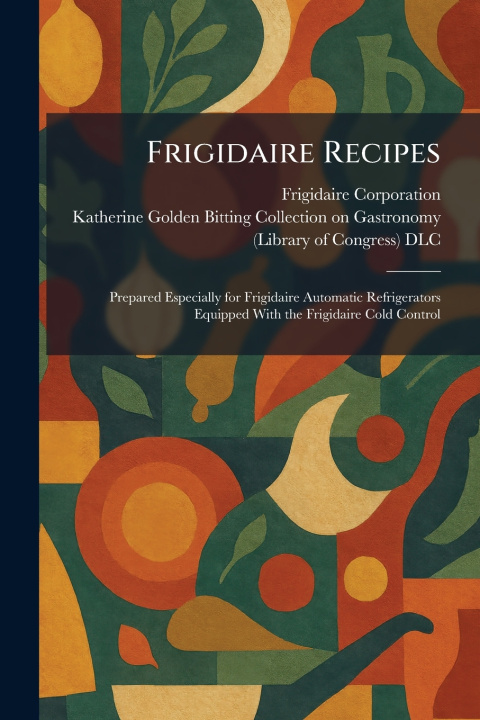
Frigidaire Recipes
Prepared Especially for Frigidaire Automatic Refrigerators Equipped With the Frigidaire Cold Control
 Angličtina
 38 b
38 b
Až 30 dní na vrácení zboží

"Frigidaire Recipes" is a comprehensive guide to the culinary possibilities unlocked by the invention of automatic refrigeration. Produced during a pivotal era in domestic history, this work provides a variety of recipes specifically designed to take advantage of temperature-controlled cooling and freezing. From chilled appetizers and crisp salads to an expansive selection of frozen desserts like mousses, parfaits, and ice creams, the book showcases the versatility of the modern kitchen.
The collection emphasizes the precision of the Cold Control feature, offering readers practical advice on managing food preservation and preparation with ease. Beyond its functional recipes, "Frigidaire Recipes" captures the spirit of the late 1920s, reflecting a shift toward convenience and technological integration in the home. It serves as both a practical manual for cold-dish preparation and a significant historical artifact of the American domestic experience. This work remains a charming resource for those interested in the evolution of gastronomy, vintage cooking, and the history of household innovation.
This work has been selected by scholars as being culturally important, and is part of the knowledge base of civilization as we know it. This work was reproduced from the original artifact, and remains as true to the original work as possible. Therefore, you may see the original copyright references, library stamps (as most of these works have been housed in our most important libraries around the world), and other notations in the work.
This work is in the public domain in the United States of America, and possibly other nations. Within the United States, you may freely copy and distribute this work, as no entity (individual or corporate) has a copyright on the body of the work.
As a reproduction of a historical artifact, this work may contain missing or blurred pages, poor pictures, errant marks, etc. Scholars believe, and we concur, that this work is important enough to be preserved, reproduced, and made generally available to the public. We appreciate your support of the preservation process, and thank you for being an important part of keeping this knowledge alive and relevant.


Informace o knize
Angličtina
