
 Kontakt
 Jak nakupovat

Doručení
Nákupní rádce
 Angličtina
 149 b
Až 30 dní na vrácení zboží
Zákazníci také koupili











 /
 Brožovaná
 457
Kč

 /
Brožovaná
365
Kč
 /
Brožovaná
261
Kč


 /
Brožovaná
590
Kč

 /
Brožovaná
1 135
Kč

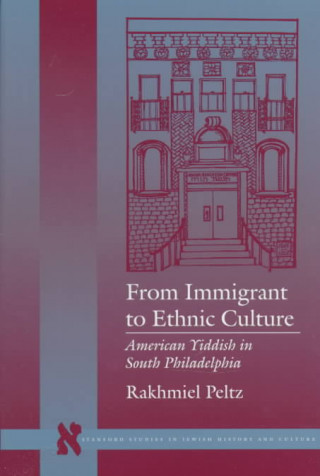
This book provides a fresh look at ethnic culture in the contemporary United States through an ethnographic account of everyday life in the Jewish community of South Philadelphia. By embracing the language and traditions of their childhood, elderly Jewish residents, the children of immigrants, create a path for the transmission of immigrant culture. The work highlights the role of language in collective memory. The residents use of Yiddish and their warm attitude toward the language illuminate their changing and overlapping identifications with the neighborhood, their non-Jewish neighbors, Jewish traditions and religion, and their children and parents. The book serves as a corrective to the view of the second generation that concentrates solely on the framework of mobility and rejection of one s parents culture, neglecting the importance of life cycle changes. It depicts children of immigrants as crucial interpreters of the culture of the immigrants homeland as they forge a meaningful existence for themselves and their own children. In the course of the work, the author documents and analyzes for the first time the Yiddish speech of American Jews. He examines the cultural implications of the use of English in Yiddish speech, as well as the change in Yiddish sounds and verbal forms.


Informace o knize
Angličtina

Darujte tuto knihu ještě dnes
Je to snadné
1 Přidejte knihu do košíku a zvolte doručit jako dárek 2 Obratem vám zašleme poukaz 3 Kniha dorazí na adresu obdarovanéhoMohlo by vás také zajímat













Ahoj! Jsem Libroamiko, tvůj knižní rádce.
Jak ti můžu pomoct?