
 Kontakt
 Jak nakupovat
Doručení
Nákupní rádce
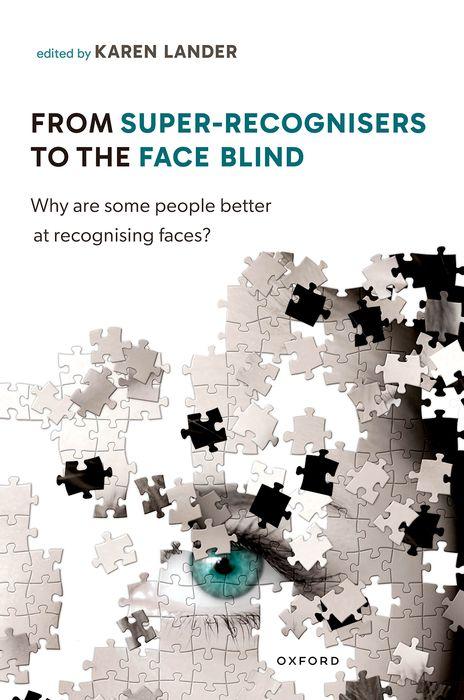
From Super Recognisers to the Face Blind
Why are some people better at recognising faces?
 Angličtina
 330 b
330 b
Až 30 dní na vrácení zboží

There is a long history of face recognition research in psychology. Typically, performance is averaged across individuals to investigate the effect of factors like age or sex on face recognition performance. However, over the last 15 years or so, research has started to consider how and why some people are better at recognising faces than others. Some individuals possess an exceptional ability to recognise faces, known as ''super-recognisers'', while others struggle significantly to recognise the people around them, a condition known as prosopagnosia or ''face blindness''. These differences may be attributed to a combination of genetic, neurological, socioemotional and environmental factors. Understanding these individual differences is crucial in fields such as psychology, neuroscience and security, as it helps tailor possible approaches to enhance face recognition skills and, in the future, develop supportive technologies for those who struggle with it.From Super Recognisers to the Face Blind provides readers with a wide-ranging, detailed, and critical overview of individual differences in face recognition ability. It provides insights into why some people are better at recognising faces than others and the possible consequences of these differences, carefully detailing the scientific knowledge on this emerging topic.


Informace o knize
Angličtina

Darujte tuto knihu ještě dnes
Je to snadné
1 Přidejte knihu do košíku a zvolte doručit jako dárek 2 Obratem vám zašleme poukaz 3 Kniha dorazí na adresu obdarovanéhoAhoj! Jsem Libroamiko, tvůj knižní rádce.
Jak ti můžu pomoct?