
 Kontakt
 Jak nakupovat
Doručení
Nákupní rádce
 Angličtina
 95 b
95 b
 Nové
Nové
Až 30 dní na vrácení zboží
Zákazníci také koupili








 /
/
 Pevná
Pevná
 599
Kč
599
Kč













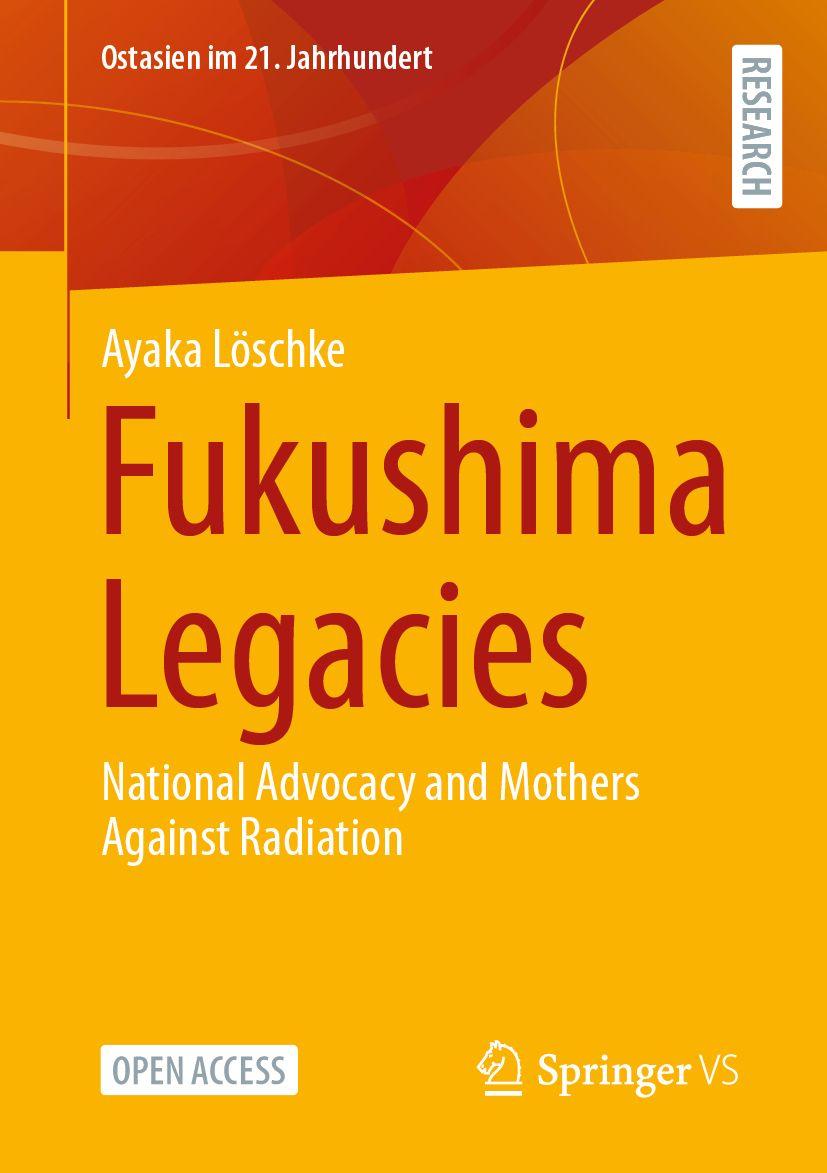
This Open-Access-book focuses on the legacies of post-Fukushima activism, which are linked to significant changes in Japan s civil society. Thirteen years have passed since the Fukushima nuclear disaster. The Japanese government tries to convey the impression that Japan has fully recovered and regained a sense of normalcy. But Japan continues to grapple with the effects of the nuclear disaster, and the government s plans are beginning to falter. Japan s civil society, which has strengthened and accumulated legacies such as established networks, shared scientific knowledge, and advocacy experience over a decade after the Fukushima nuclear disaster, has been a key force of resistance to the government s plans. Post-Fukushima activism has extended its repertoire and thereby firmly shaped various legacies for future social movements.
The book concentrates on the following three aspects that have not been thoroughly examined in previous research: The national advocacy of civil society organisations through a special type of legislation called a Diet member bill ; the backgrounds of mothers and other women mobilised for CSOs with a focus on advocacy; and the longevity of these CSOs.


Informace o knize
Angličtina
Kategorie

Darujte tuto knihu ještě dnes
Je to snadné
1 Přidejte knihu do košíku a zvolte doručit jako dárek 2 Obratem vám zašleme poukaz 3 Kniha dorazí na adresu obdarovanéhoMohlo by vás také zajímat





Ahoj! Jsem Libroamiko, tvůj knižní rádce.
Jak ti můžu pomoct?