
 Kontakt
 Jak nakupovat
Doručení
Nákupní rádce
 Angličtina
 142 b
142 b
Až 30 dní na vrácení zboží
Zákazníci také koupili






 /
/
 Brožovaná
 1 158
Kč
1 158
Kč







 /
Brožovaná
997
Kč
/
Brožovaná
997
Kč








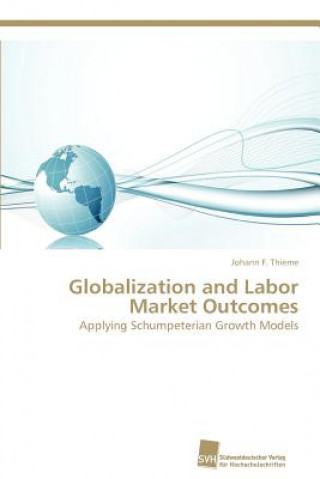
This dissertation examines the impact of increasing international trade on the skill premium and on welfare of different skill groups. Several growth models of creative destruction ( Schumpeterian models) are employed. The underlying mechanism is that increasing international trade creates a stronger incentive for firms to engage in skill-intensive innovation, driving the relative wage of skilled workers upwards. This basic mechanism is then enhanced by the possibility of unemployment. Moreover, horizontal foreign direct investment (FDI) is introduced. Finally, a non-tradables (or service) sector is incorporated because unskilled households consume relatively more tradables than skilled households do. In the presence of non-tradables, the increase in (real) wage inequality is smaller than without the additional sector. Computable general equilibrium (CGE) simulations test the models empirical relevance for European data.


Informace o knize
Angličtina

Darujte tuto knihu ještě dnes
Je to snadné
1 Přidejte knihu do košíku a zvolte doručit jako dárek 2 Obratem vám zašleme poukaz 3 Kniha dorazí na adresu obdarovanéhoMohlo by vás také zajímat












 /
Brožovaná
1 644
Kč
/
Brožovaná
1 644
Kč







 /
Pevná
491
Kč
/
Pevná
491
Kč