
 Kontakt
 Jak nakupovat
Doručení
Nákupní rádce
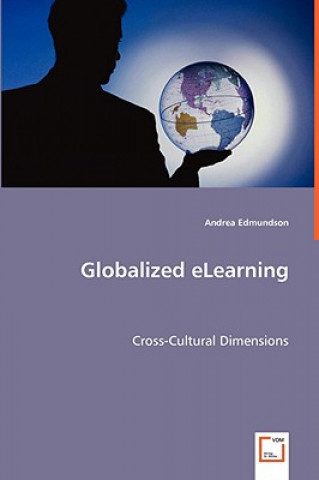
Globalized eLearning
 Angličtina
 157 b
157 b
Až 30 dní na vrácení zboží
Zákazníci také koupili




 /
/
 Pevná
Pevná
 3 186
Kč
3 186
Kč




 /
Pevná
668
Kč
/
Pevná
668
Kč


 /
Brožovaná
668
Kč
/
Brožovaná
668
Kč






 /
Brožovaná
793
Kč
/
Brožovaná
793
Kč




Accelerated globalization challenges educators to provide culturally accessible learning to countries other than their own. However, to do so, we must investigate the differences that may affect the achievement of equitable learning outcomes. Translation is a logical first step. Localization - a process in which symbols, images, etc. are changed to those recognized by the targeted learners - is also an effective adaptation. However, in education, we in advertently imbed our deeply rooted, culturally diverse values into our approaches to learning and teaching. In this book, we explore the existence of cultural dimensions in elearning, a favored tool for global education. We examine whether such differences, between learners in the United States and India, affect learning outcomes and whether learners have different perceptions of, and preferences for, e-learning. Subsequently, we propose the Cultural Adaptation Process (CAP). The CAP Model provides a framework with which online instructors and instructional designers can identify any needs for cultural adaptation - aligned with course content, media, and instructiona lapproaches - within the constraints of their resources.


Informace o knize
Angličtina

Darujte tuto knihu ještě dnes
Je to snadné
1 Přidejte knihu do košíku a zvolte doručit jako dárek 2 Obratem vám zašleme poukaz 3 Kniha dorazí na adresu obdarovanéhoMohlo by vás také zajímat
 /
Brožovaná
1 240
Kč
/
Brožovaná
1 240
Kč
 /
Brožovaná
1 420
Kč
/
Brožovaná
1 420
Kč










 /
Brožovaná
152
Kč
/
Brožovaná
152
Kč





 /
Brožovaná
341
Kč
/
Brožovaná
341
Kč


 /
Brožovaná
177
Kč
/
Brožovaná
177
Kč

 /
Brožovaná
263
Kč
/
Brožovaná
263
Kč



Ahoj! Jsem Libroamiko, tvůj knižní rádce.
Jak ti můžu pomoct?