
 Kontakt
 Jak nakupovat
Doručení
Nákupní rádce
Guodian
 Angličtina
 212 b
212 b
Až 30 dní na vrácení zboží
Zákazníci také koupili





 /
/
 Brožovaná
 158
Kč
158
Kč
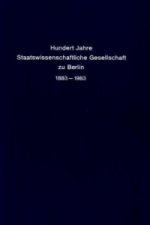
















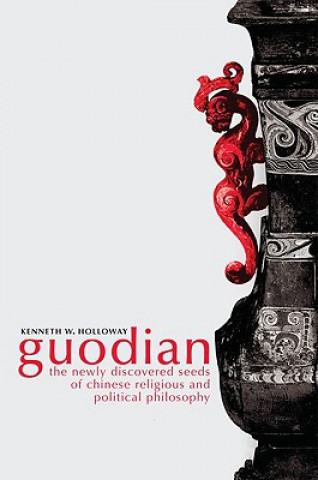
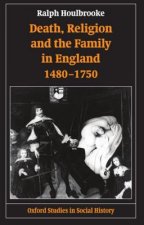
Fourteen years ago, a corpus of bamboo-strip texts was found in a late-fourth-century-BCE tomb at Jingmen, Hubei province in central China. The discovery of the "Guodian" texts, together with other recently discovered Warring States manuscripts, has revolutionized the study of early Chinese intellectual history. Kenneth Holloway argues that the Guodian corpus puts forth a political philosophy based on the harmonious interconnection of individuals engaged in moral self cultivation. This unique worldview, says Holloway, cannot meaningfully be categorized as "Confucian" or "Daoist," because it shares important concepts and vocabulary with a number of different textual traditions that have anachronistically been characterized as competing or incompatible "schools" of thought. He finds that within the Guodian corpus familiar philosophical concepts and texts are applied in distinctive ways, presenting a worldview that is quite different from the received textual traditions. In addition to contributing to our understanding of this particular body of texts, Holloway proposes a methodology for assessing a corpus of texts without relying on assumptions and definitions that derive from two millennia of scholarship.


Informace o knize
Angličtina

Darujte tuto knihu ještě dnes
Je to snadné
1 Přidejte knihu do košíku a zvolte doručit jako dárek 2 Obratem vám zašleme poukaz 3 Kniha dorazí na adresu obdarovanéhoMohlo by vás také zajímat


 /
Brožovaná
271
Kč
/
Brožovaná
271
Kč
 /
Brožovaná
1 740
Kč
/
Brožovaná
1 740
Kč


 /
Brožovaná
304
Kč
/
Brožovaná
304
Kč




 /
Brožovaná
506
Kč
/
Brožovaná
506
Kč



 /
Pevná
837
Kč
/
Pevná
837
Kč
Ahoj! Jsem Libroamiko, tvůj knižní rádce.
Jak ti můžu pomoct?