
 Kontakt
 Jak nakupovat
Doručení
Nákupní rádce
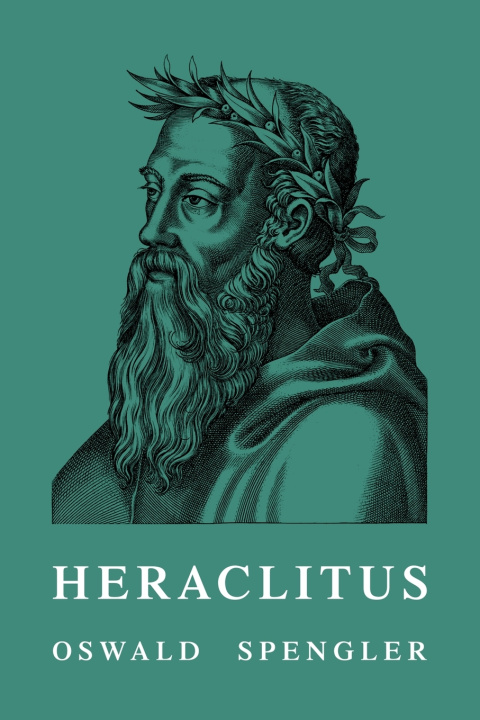
Heraclitus
 Angličtina
 32 b
32 b
Až 30 dní na vrácení zboží
Zákazníci také koupili







Spengler's essay, which appeared in 1904 as a dissertation for his doctorate in philosophy at the University of Halle, had a remarkable impact at the beginning of our century because of the originality of its interpretation of the Heraclitean doctrine. It outlined some of the essential features of Spengler's own thought, who, like Lassalle sixty years earlier, had found in the Heraclitean doctrine, or rather in his own interpretation of it, a path of orientation and formation for his personal philosophical construction.
In the author's words: "Heraclitus's world of thought, viewed as a whole, appears as a grandly conceived poem, a tragedy of the cosmos, equal to the tragedies of Aeschylus in their powerful sublimity. Among the Greek philosophers, with the possible exception of Plato, he is the most important poet. The idea of an eternal and never-ending struggle that forms the content of life in the cosmos, in which an imperious law reigns and a harmonious regularity is maintained, is a high creation of Greek art, to which this thinker was far closer than to natural science proper."


Informace o knize
Angličtina

Darujte tuto knihu ještě dnes
Je to snadné
1 Přidejte knihu do košíku a zvolte doručit jako dárek 2 Obratem vám zašleme poukaz 3 Kniha dorazí na adresu obdarovanéhoMohlo by vás také zajímat



Ahoj! Jsem Libroamiko, tvůj knižní rádce.
Jak ti můžu pomoct?