
 Kontakt
 Jak nakupovat
Doručení
Nákupní rádce
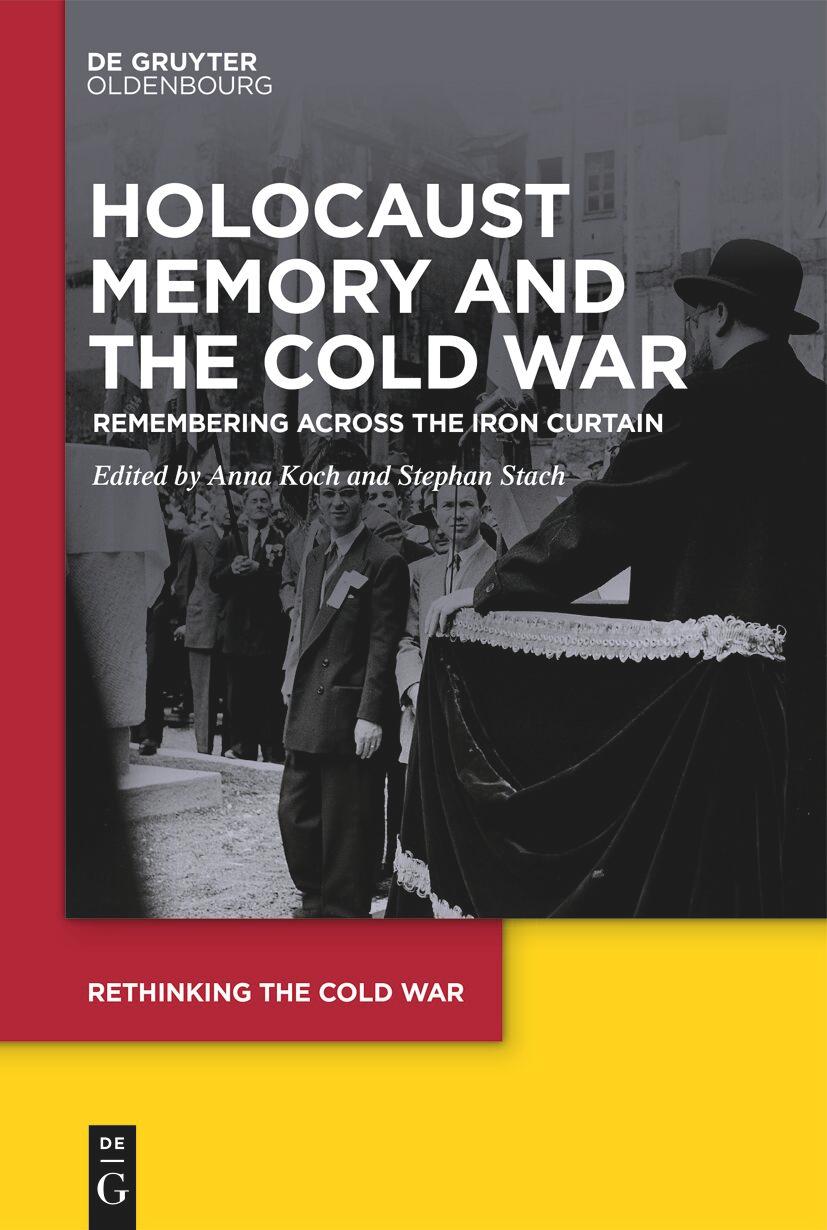
Holocaust Memory and the Cold War
 Angličtina
 282 b
282 b
Až 30 dní na vrácení zboží
Zákazníci také koupili








 /
/
 Pevná
Pevná
 695
Kč
695
Kč





 /
Brožovaná
293
Kč
/
Brožovaná
293
Kč
 /
Brožovaná
502
Kč
/
Brožovaná
502
Kč
 /
Brožovaná
957
Kč
/
Brožovaná
957
Kč




Even before World War II had ended, survivors, historians, writers, and artists tried to make sense of the Holocaust. To do so, they relied on belief systems and narratives that, as the bloc confrontation intensified, were increasingly shaped by Cold War thinking. Foregrounding the Cold War's role in shaping Holocaust memory, this book highlights how the global conflict between East and West influenced research, legal proceedings, and collective as well as individual memories of the murder of European Jews. Contributions focusing on different parts of the world reveal commonalities, differences, and entanglements between Eastern and Western memories of the Holocaust. Examining Holocaust memory from various disciplinary perspectives, the authors highlight the many ways in which scholars, writers, artists, and survivors both countered and contributed to dominant narratives shaped by oppositional ideological stances. While such distinct ideological positions often mattered greatly, at other times a shared interest in bringing perpetrators to justice, commemorating victims, and providing testimony to the atrocities committed against Europe's Jews led to cooperation and exchange across the Iron Curtain.


Informace o knize
Angličtina

Darujte tuto knihu ještě dnes
Je to snadné
1 Přidejte knihu do košíku a zvolte doručit jako dárek 2 Obratem vám zašleme poukaz 3 Kniha dorazí na adresu obdarovanéhoMohlo by vás také zajímat


 /
Brožovaná
166
Kč
/
Brožovaná
166
Kč




 /
Brožovaná
1 318
Kč
/
Brožovaná
1 318
Kč

 /
Brožovaná
299
Kč
/
Brožovaná
299
Kč

 /
Brožovaná
146
Kč
/
Brožovaná
146
Kč





 /
Brožovaná
441
Kč
/
Brožovaná
441
Kč