
 Kontakt
 Jak nakupovat
Doručení
Nákupní rádce
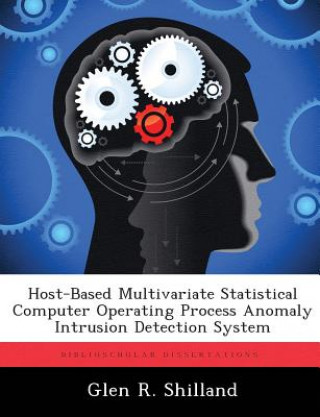
Host-Based Multivariate Statistical Computer Operating Process Anomaly Intrusion Detection System
 Angličtina
 42 b
42 b
Až 30 dní na vrácení zboží
Zákazníci také koupili






 /
/
 Brožovaná
 442
Kč
442
Kč










 /
/
 Noty
545
Kč
Noty
545
Kč


Most intrusion detection systems rely on signature matching of known malware or anomaly discrimination by data mining historical network traffic. This renders defended systems vulnerable to new or polymorphic code and deceptive attacks that do not trigger anomaly alarms. A lightweight, self-aware intrusion detection system (IDS) is essential for the security of government and commercial networks, especially mobile, ad-hoc networks (MANETs) with relatively limited processing power. This research proposes a host-based, anomaly discrimination IDS using operating system process parameters to measure the "health" of individual systems. Principal Component Analysis (PCA) is employed for feature set selection and dimensionality reduction, while Mahalanobis Distance (MD) and is used to classify legitimate and illegitimate activity. This combination of statistical methods provides an efficient computer operating process anomaly intrusion detection system (PAIDS) that maximizes detection rate and minimizes false positive rate, while updating its sense of "self" in near-real-time.


Informace o knize
Angličtina
Kategorie

Darujte tuto knihu ještě dnes
Je to snadné
1 Přidejte knihu do košíku a zvolte doručit jako dárek 2 Obratem vám zašleme poukaz 3 Kniha dorazí na adresu obdarovanéhoMohlo by vás také zajímat





 /
Brožovaná
382
Kč
/
Brožovaná
382
Kč











 /
Pevná
1 566
Kč
/
Pevná
1 566
Kč





Ahoj! Jsem Libroamiko, tvůj knižní rádce.
Jak ti můžu pomoct?