
 Kontakt
 Jak nakupovat
Doručení
Nákupní rádce
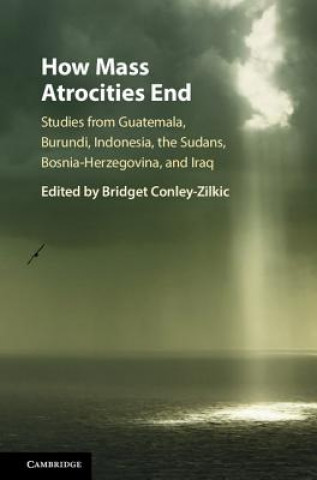
How Mass Atrocities End
Studies from Guatemala, Burundi, Indonesia, the Sudans, Bosnia-Herzegovina, and Iraq
 Angličtina
 317 b
317 b
Až 30 dní na vrácení zboží
Zákazníci také koupili

 /
/
 Brožovaná
 707
Kč
707
Kč





















Given the brutality of mass atrocities, it is no wonder that one question dominates research and policy: what can we, who are not at risk, do to prevent such violence and hasten endings? But this question skips a more fundamental question for understanding the trajectory of violence: how do mass atrocities actually end? This volume presents an analysis of the processes, decisions, and factors that help bring about the end of mass atrocities. It includes qualitatively rich case studies from Burundi, Guatemala, Indonesia, Sudan, Bosnia, and Iraq, drawing patterns from wide-ranging data. As such, it offers a much needed correction to the popular 'salvation narrative' framing mass atrocity in terms of good and evil. The nuanced, multidisciplinary approach followed here represents not only an essential tool for scholars, but an important step forward in improving civilian protection.


Informace o knize
Angličtina

Darujte tuto knihu ještě dnes
Je to snadné
1 Přidejte knihu do košíku a zvolte doručit jako dárek 2 Obratem vám zašleme poukaz 3 Kniha dorazí na adresu obdarovanéhoMohlo by vás také zajímat










 /
Brožovaná
196
Kč
/
Brožovaná
196
Kč

 /
Brožovaná
237
Kč
/
Brožovaná
237
Kč
 /
Brožovaná
572
Kč
/
Brožovaná
572
Kč








Ahoj! Jsem Libroamiko, tvůj knižní rádce.
Jak ti můžu pomoct?