
 Kontakt
 Jak nakupovat
Doručení
Nákupní rádce
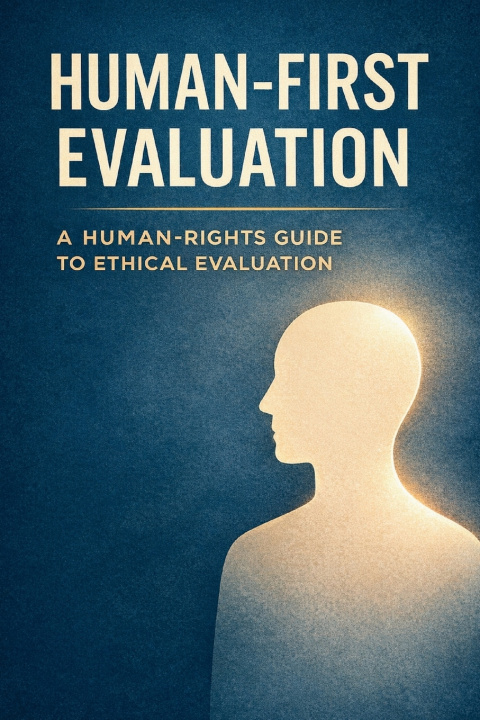
Human-First Evaluation
A Trauma-Informed and Human-Rights Guide to Ethical Evaluation
 Angličtina
 36 b
36 b
30 dní na vrácení zboží

Human-First Evaluation offers a new way to understand behaviour inside systems of care, authority, and assessment-one grounded in trauma-informed practice and international human-rights standards.
Instead of treating distress as pathology, this book shows how silence, anger, hesitation, withdrawal, confusion, or flight often emerge from conditions, not from individual deficits. It reveals how fear, pressure, rushed pacing, unclear expectations, and power imbalances can distort interpretation long before a diagnosis is made.
Rooted in trauma science, Human-First Evaluation explains how coercive environments create predictable human reactions that institutions often misread as instability. It outlines practical, repeatable methods for restoring accuracy: slowing interactions, reducing pressure, documenting observable facts, honoring autonomy, and ensuring that rights remain intact at every stage.
Readers will learn how to:
- Identify when behaviour is a safety response, not a symptom
- Distinguish environmental impact from individual pathology
- Prevent misinterpretation caused by urgency, fear, or authority
- Build evaluations that are safer, clearer, and grounded in dignity
- Shift from compliance-based models to trauma-informed, rights-based practice
- Replace assumption with context, and control with shared power
Human-First Evaluation is written for clinicians, evaluators, social-service workers, educators, crisis teams, advocates, investigators, case managers, policymakers, and anyone responsible for understanding human behaviour in pressured environments.
Whether you work in community services, healthcare, education, social work, investigations, or institutional settings, this book offers a clear, humane, and practical framework to help ensure that harm does not hide behind procedure-and that people are understood accurately, not through fear or assumption but through context, dignity, and human rights.


Informace o knize
Angličtina
